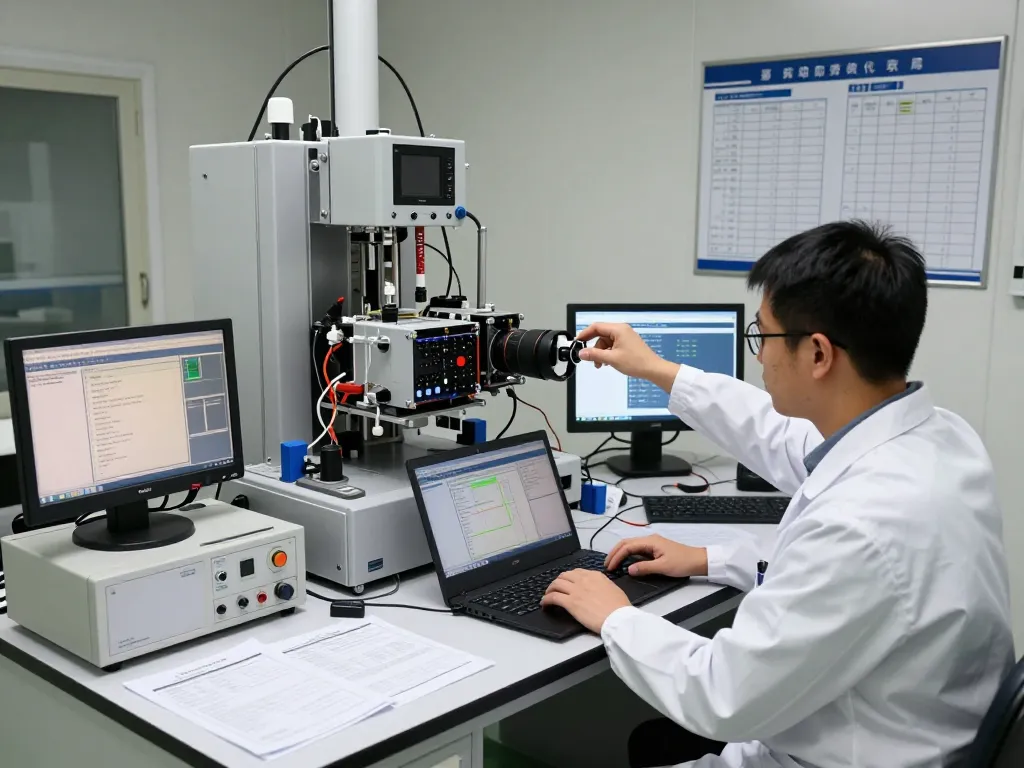
Understanding Compliance Testing
In today’s highly regulated marketplace, compliance testing has emerged as a fundamental requirement across various industries. This practice evaluates whether products, processes, or systems adhere to the necessary legal and regulatory standards, ensuring they meet the required specifications. As businesses strive for global market access, understanding compliance testing becomes crucial, especially in an ever-evolving regulatory landscape. Compliance testing not only safeguards consumer interests but also protects businesses from potential legal repercussions and enhances their market competitiveness.
What is Compliance Testing?
Compliance testing refers to a systematic evaluation of a product or system against established standards, regulations, or guidelines. This process can encompass a variety of testing types, including software compliance, product safety, and performance compliance. The primary goal is to verify that a product meets both external regulations and internal organizational policies, ensuring it is safe, effective, and ready for market entry. Compliance testing is often a prerequisite for obtaining necessary certification approvals that allow products to be sold in targeted markets.
Importance of Compliance Testing in 2026
As we advance into 2026, the importance of compliance testing is more pronounced than ever. With the rapid technological advancements and increasing complexity of regulatory frameworks worldwide, organizations face heightened pressures to ensure adherence to compliance standards. Non-compliance can lead to significant financial penalties, reputational damage, and potential product recalls. Furthermore, as industries evolve, so too do the standards governing them, making constant vigilance in compliance testing necessary to maintain market integrity and consumer trust.
Key Regulations Impacting Compliance Testing
Numerous regulations influence the compliance testing landscape, varying by industry and geography. Some of the most significant include:
- Federal Communications Commission (FCC): Governs communication device standards in the U.S.
- International Electrotechnical Commission (IEC): Sets international standards for electrical and electronic devices.
- European Conformity (CE): Required for products sold in the EU to ensure they meet safety, health, and environmental protection standards.
- ISO Standards: A set of international standards ensuring quality, safety, and efficiency.
The Role of EMC Compliance in Industries
Electromagnetic Compatibility (EMC) compliance plays a pivotal role in various industries, ensuring that electronic devices operate as intended without causing or experiencing interference. This is particularly critical in sectors such as telecommunications, automotive, and medical devices.
Telecommunications and RF Compliance
In the telecommunications sector, RF compliance testing is essential to ensure devices communicate effectively without interference. Regulatory bodies mandate compliance with standards such as the FCC Part 15 in the U.S. and the ETSI standards in Europe. These tests assess the emitted radio frequency energy from devices and their immunity to external RF signals, crucial for maintaining communication quality and reliability.
Automotive EMC Testing Standards
The automotive industry faces stringent EMC testing requirements to ensure that vehicles’ electronics function without disruption. Compliance with standards such as ECE Regulation 10 (R10) and CISPR regulations is mandatory. These tests evaluate various aspects, including immunity to external electromagnetic fields and emissions produced by the vehicle itself, ensuring safety and reliability.
Medical Device Compliance Requirements
Medical devices must undergo rigorous compliance testing to ensure they meet health and safety regulations. Standards such as ISO 13485 help manufacturers demonstrate their ability to provide consistent products that meet regulatory and customer requirements. EMC testing in this sector is critical to ensure that devices do not interfere with each other, especially in sensitive environments like hospitals.
Stancer Testing-Lab Advantages
Choosing the right testing laboratory for compliance services can significantly impact your product’s market success. Stancer Testing-Lab provides an array of advantages that set it apart from competitors in the compliance testing landscape.
Why Choose Stancer Testing-Lab for Compliance Services?
As an ISO/IEC 17025 accredited testing laboratory, Stancer Testing-Lab offers a comprehensive range of compliance testing services, including EMC and RF testing. Our experienced team ensures that your products not only comply with required standards but are also optimized for performance in various applications. We have a strong reputation in the industry for our meticulous testing processes and reliable results.
Advanced Facilities and Expertise
Our state-of-the-art testing facilities are equipped with the latest technological advancements, ensuring precise and reliable results. Our experienced engineers possess a wealth of knowledge across diverse industries, enabling them to conduct thorough analyses tailored to specific products and standards.
Fast Turnaround Solutions for Clients
In the fast-paced world of product development, time is essential. Stancer Testing-Lab is committed to providing fast turnaround solutions without compromising on quality. Our streamlined testing processes ensure that your product reaches the market sooner while maintaining compliance.
Navigating the Compliance Testing Process
Understanding the compliance testing process is vital for successful product development. It involves several key steps that ensure your product meets regulatory requirements efficiently.
Initial Consultation and Requirement Analysis
The journey begins with a thorough consultation, where our team works closely with clients to understand the product, its intended use, and specific testing needs. This initial assessment is crucial for developing a testing strategy that addresses all compliance requirements effectively.
Testing Procedures and Methodologies
Once the requirements are clear, our experts employ various testing methodologies tailored to the specific product and industry standards. This includes conducting radiated and conducted emission testing, immunity testing, and more, ensuring all aspects of compliance are covered.
Final Reporting and Certification Steps
After testing, we provide comprehensive reports detailing findings and recommendations. Upon successful completion of testing, we assist in the certification process, submitting necessary documentation to regulatory bodies on your behalf, streamlining your path to market entry.
Future Trends in Compliance Testing
As compliance testing evolves, several trends are shaping the future of this critical practice. Staying abreast of these developments is essential for businesses aiming to maintain competitive advantage.
Emerging Technologies and Their Impact
Advancements in technology, such as AI and IoT, are significantly impacting compliance testing. These technologies can enhance testing accuracy, reduce timeframes, and streamline the certification process. Companies that leverage these tools can expect improved efficiency and effective compliance management.
Regulatory Changes to Watch in 2026
As regulations continue to evolve, staying informed about upcoming changes is crucial. Businesses should monitor regulatory updates in key areas such as data privacy and environmental standards, as these can directly impact compliance testing requirements.
Best Practices for Staying Ahead in Compliance
Organizations looking to excel in compliance testing should adopt proactive practices such as regular training for staff on compliance regulations, leveraging technology for testing, and establishing strong communication with testing laboratories to ensure clarity on compliance requirements.
What is Compliance Testing?
Compliance testing is an integral part of product development and release, ensuring that products meet regulatory requirements and industry standards.
Why is Compliance Testing Essential for Businesses?
Compliance testing is essential for protecting consumers, avoiding legal issues, and ensuring that products are market-ready. It enhances credibility, fosters consumer trust, and aids in sustaining competitive positioning.
How to Prepare for Compliance Testing?
Preparation for compliance testing involves understanding regulatory requirements, conducting preliminary assessments, and collaborating closely with testing labs to refine testing processes and expectations.