Choosing a paving contractor for your commercial property in Utah is more than a simple installation decision. It’s a long-term financial investment. The upfront cost of a paving project is often the primary focus, but the real economic impact unfolds over the subsequent years through maintenance, repairs, and eventual replacement. Opting for experienced, professional commercial Utah asphalt paving contractors is the single most effective strategy to minimize those future expenses. Their expertise translates directly into a pavement system that withstands Utah’s unique climate and commercial traffic, delaying deterioration and avoiding a cycle of reactive, costly fixes.
This approach shifts the perspective from viewing paving as a one-time expense to understanding it as a foundational asset. The savings aren’t just about a lower initial bid; they are realized through extended pavement life, reduced frequency of repairs, and preserved property functionality and safety. Here’s how qualified contractors deliver this long-term value.
The Foundation of Longevity: Proper Installation Techniques
A pavement’s lifespan is largely determined during installation. Amateur or rushed work creates weaknesses that become expensive problems within a few years.
Subgrade Preparation and Compaction
The ground beneath the asphalt is its support system. In Utah, soil conditions can vary greatly, from clay-heavy areas to sandy soils. Professional contractors meticulously assess and prepare the subgrade. This involves ensuring proper drainage to prevent water saturation, which leads to frost heave in winter and softening in spring. They then achieve precise, uniform compaction. An unstable or uneven subgrade will cause the asphalt surface to crack and settle prematurely, requiring extensive patching or full-depth repairs much sooner than anticipated.
Precision in Asphalt Mix and Laydown
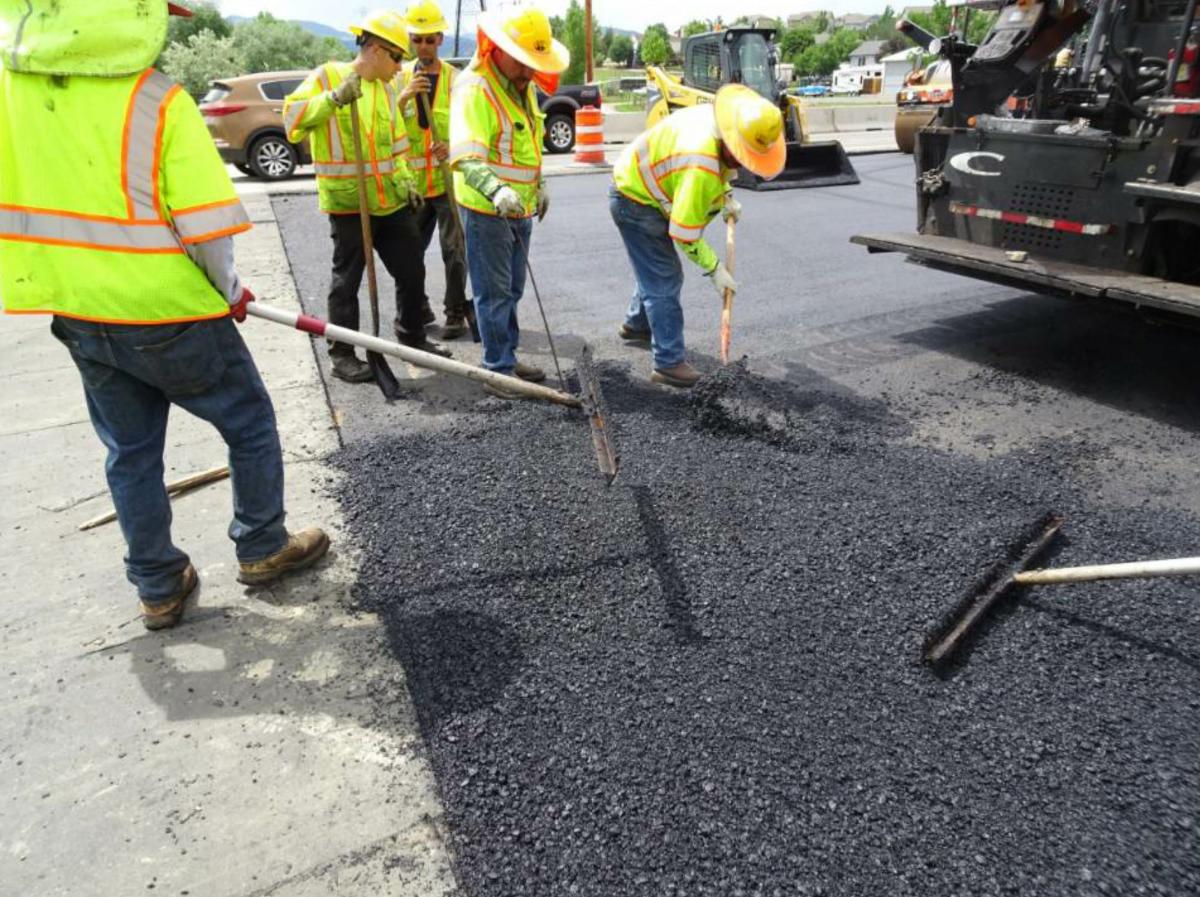
The asphalt mix itself must be suited to the application. A high-traffic loading dock requires a different mix design than a parking lot for passenger vehicles. Qualified Utah asphalt paving contractors understand these specifications and use plant-mixed asphalt delivered at the correct temperature. They control the laydown process with skilled operators to achieve uniform thickness and density. Improper thickness or cooling leads to raveling (loss of aggregate), premature wear, and inadequate load-bearing capacity.
Material Selection and Durability Factors
Beyond technique, the materials selected are a direct investment in durability.
High-Quality Aggregate and Binder
Local aggregates and the asphalt binder (the glue that holds the rock together) are critical. Professionals use aggregates with the right gradation and hardness to resist crushing under weight. They specify binders with performance grades engineered for Utah’s temperature ranges—able to remain flexible in cold temperatures to resist cracking and stiff enough in heat to resist rutting. Using inferior or generic materials saves minimal upfront cost but guarantees faster oxidation and brittleness, leading to a network of cracks within a few seasons.
Strategic Use of Pavement Structures
For areas expecting extreme stress, such as truck turning lanes or high-traffic entrances, contractors may recommend and implement a reinforced pavement structure. This might involve a thicker asphalt layer or even a flexible base course. This targeted reinforcement in high-stress zones prevents localized failure, avoiding the disproportionate cost of repairing a single heavily damaged section that disrupts entire operations.
Proactive Maintenance Planning and Execution
Professional contractors don’t view their job as complete when the pavement is rolled. They provide a roadmap for preserving the investment.
Early Intervention Sealcoating and Crack Sealing
Sealcoating is not merely cosmetic. It is a protective barrier that shields the asphalt binder from UV oxidation and water penetration. Experts recommend and apply sealcoat at optimal intervals, typically every 2-3 years, using high-quality materials. They also perform timely crack sealing, filling small cracks before water infiltrates and expands them into larger cracks or base failures. This proactive maintenance, guided by a contractor’s schedule, is far less expensive than rehabilitating deteriorated pavement later.
Drainage and Site Evaluation
A key service professionals offer is a post-installation site review focused on drainage. They ensure catch basins are clear, slopes are directing water away, and no ponding occurs. Standing water is a primary destroyer of asphalt. By identifying and correcting minor drainage issues early, they prevent the accelerated erosion and subsurface damage that lead to massive repair projects.
The Hidden Costs of Inexperienced Paving
Choosing a less-qualified provider often backfires through indirect costs that strain a business’s budget and operations.
Frequent Partial Repairs and Patchwork
Poor installation leads to localized failures: potholes, alligator cracking, and rutting. The property owner is then forced into a cycle of reactive patching. These patches are temporary fixes on a failing system. Over time, the property becomes a patchwork quilt of repairs, each with its own labor and material cost. The cumulative cost of these endless small repairs often surpasses the price of a properly installed pavement over a 10-year period.
Operational Disruption and Safety Liabilities
Failed pavement disrupts business. Potholes damage vehicles, create tripping hazards for pedestrians, and can render parking stalls or delivery areas unusable. This leads to vehicle repair claims, potential safety incidents, and lost utility of the commercial asset. Furthermore, a deteriorated lot can negatively impact customer and tenant perception of the business. Professional installation maximizes uninterrupted, safe use of the property for years.
The Financial Case for Professional Contracts
The economic argument is clear when framed as a total lifecycle cost. A premium installation from a reputable asphalt company Utah might carry a 15-20% higher initial cost compared to a low-bid option. However, when amortized over a 15-20 year service life with minimal maintenance, the annualized cost is lower. Conversely, a cheaper installation may require significant rehabilitation in 5-7 years, a cost that, when added to the initial price, results in a higher total expenditure per year of service.
Contractors also provide detailed warranties on their workmanship and materials. This warranty isn’t just a piece of paper; it’s a financial guarantee that they will address failures arising from installation errors, protecting the owner’s investment during the critical early years.
Frequently Asked Questions
How long should a professionally installed commercial asphalt lot last in Utah?
With proper installation and routine maintenance, a commercial asphalt pavement in Utah should last 15 to 20 years before requiring major reconstruction. Factors like traffic volume and maintenance adherence influence this range, but this lifespan is the target for professional work.
What is the most common cause of premature asphalt failure in Utah?
Water infiltration is the primary enemy. Whether from poor drainage, unsealed cracks, or an inadequate sealcoat barrier, water penetrates the surface, weakens the binder, and damages the subgrade. This process is accelerated by Utah’s freeze-thaw cycles. Professional contractors design and build systems specifically to manage water.
Is sealcoating really necessary, or is it just a cosmetic service?
Sealcoating is a critical maintenance procedure. It directly extends pavement life by protecting the asphalt binder from sun oxidation and water. Skipping sealcoating allows the surface to become brittle and porous, leading to widespread cracking and aggregate loss years earlier than expected.
Can a contractor fix an existing pavement that was poorly installed?
Yes, but the solutions are more complex and costly. A professional contractor can assess the failing pavement and recommend a corrective strategy, which may involve full-depth repairs in specific areas, overlay paving, or complete reconstruction. The cost is invariably higher than if the pavement had been installed correctly initially.
Why does the asphalt mix design matter?
The mix design specifies the type and grade of aggregate, the binder content, and the performance grade of the asphalt. A mix designed for heavy truck traffic will resist deformation. A mix designed for lesser loads may rut under heavy weights. Professionals select the mix engineered for your specific property’s use.
Conclusion
The true cost of commercial asphalt paving in Utah is measured over decades, not just on the day of installation. While initial bids can vary, the financial wisdom lies in selecting contractors whose expertise, materials, and follow-through ensure the pavement performs as a durable, low-maintenance asset for years to come. Their work prevents the cycle of reactive repairs that drain resources and disrupt business.
Investing in professional commercial paving is ultimately a strategy for cost control. It allocates capital upfront to secure operational reliability and avoid the unpredictable, often higher, expenses of premature failure. For any business owner or property manager, this long-view approach to pavement investment is a decisive factor in protecting the bottom line.