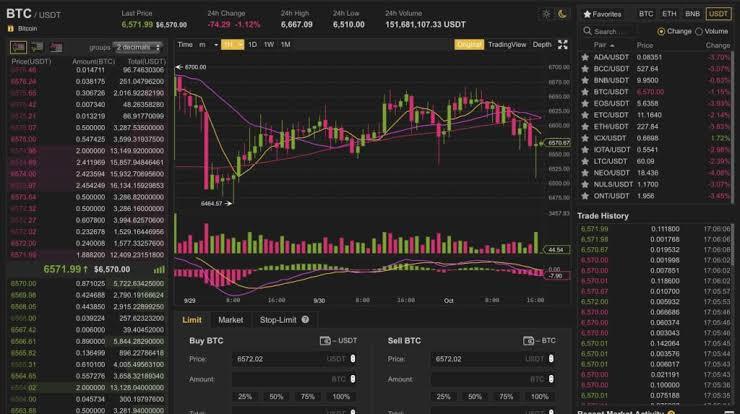
Understanding Blockchain Technology and Its Impact
Blockchain technology is revolutionizing various sectors, particularly in finance and investment. By providing immutable ledgers and secure transactions, it has paved the way for innovative solutions in decentralized finance (DeFi) and cryptocurrency markets. With protocols designed to enhance transparency and reduce fraudulent activities, understanding blockchain is essential for everyone interested in the future of technology and finance. When exploring options, 国内株式 API おすすめ can provide comprehensive insights into the integration of blockchain in stock trading.
What is Blockchain Technology?
At its core, blockchain is a distributed ledger technology (DLT) that records transactions across many computers in a way that ensures security, transparency, and immutability. Unlike traditional databases that are centralized and vulnerable to breaches, blockchain spreads its data across a network. Changes to the blockchain must be agreed upon through consensus mechanisms, ensuring all participants maintain an accurate, unchangeable record of transactions.
Core Principles of Decentralization
Decentralization is a foundational aspect of blockchain technology. By distributing data across multiple nodes, blockchain reduces points of failure and enhances security. This structure promotes peer-to-peer interactions without the need for intermediaries, reducing costs and increasing efficiency in various applications, from financial services to supply chain management.
Real-World Applications Beyond Cryptocurrency
While widely recognized for its cryptocurrency applications such as Bitcoin and Ethereum, blockchain technology extends to many areas. For instance, it can be utilized in identity verification, secure voting systems, and transparent supply chains. Moreover, businesses in various industries are exploring smart contracts to automate processes and enforce agreements where trust is essential.
Exploring Different Types of Cryptocurrencies
Bitcoin vs. Altcoins: Understanding the Differences
Bitcoin (BTC) remains the most recognized cryptocurrency, often referred to as digital gold. In contrast, altcoins (alternative coins) such as Ethereum (ETH), Litecoin (LTC), and various tokens offer different functionalities and use cases. Some altcoins aim to enhance transaction speed, while others focus on facilitating complex smart contracts, which are programs that execute automatically when specific conditions are met.
Use Cases of Cryptocurrencies in Finance
Cryptocurrencies have various applications in finance, from facilitating transactions and remittances to decentralized lending and borrowing. They empower users by giving them direct control over their funds and reducing the reliance on traditional banking systems.
Evaluating Stablecoins and Their Roles
Stablecoins, such as Tether (USDT) and USD Coin (USDC), are pegged to fiat currencies to reduce volatility. They play a critical role in maintaining liquidity in the crypto market, enabling swift conversions to and from traditional money while providing a level of price stability unavailable to other cryptocurrencies.
Secure Wallet Setup and Private Key Management
Types of Crypto Wallets Explained
Crypto wallets fall into two main categories: hot wallets and cold wallets. Hot wallets are internet-based and ideal for frequent transactions, while cold wallets store assets offline and provide enhanced security. Understanding the differences is crucial for effective asset management.
Best Practices for Secure Key Management
Private key security is paramount in cryptocurrency management. Implement robust security practices, such as using hardware wallets (like Ledger or Trezor), safeguarding seed phrases, and enabling two-factor authentication (2FA) for additional layers of protection.
How to Avoid Common Wallet Scams
Be vigilant against scams such as phishing attacks, which can lead to the loss of funds. Always verify website URLs, avoid sharing private keys, and use only reputable wallets and exchanges.
Trading Strategies and Technical Analysis Methods
Basics of Technical Analysis: Candlesticks and Indicators
Technical analysis involves evaluating price patterns and market trends to make informed trading decisions. Key tools include candlestick charts, which provide insight into market sentiment and price movements, and various indicators such as the Relative Strength Index (RSI) and Moving Average Convergence Divergence (MACD).
Developing Effective Trading Strategies
Successful trading strategies often rely on a combination of technical and fundamental analyses. Strategies like day trading, swing trading, and position trading cater to different risk tolerances and investment horizons. Tailoring your approach is essential to navigating the volatile cryptocurrency landscape.
Risk Management Techniques for Traders
Effective risk management involves diversifying your portfolio, utilizing stop-loss orders, and adhering to position sizing rules. Understanding market cycles and sentiment can also help traders mitigate risks associated with heightened volatility.
DeFi Protocols and Yield Optimization
Introduction to Decentralized Finance
DeFi is an ecosystem of financial applications built on blockchain technology, enabling permissionless access to various financial services. This enables users to lend, borrow, trade, and earn yield on their assets without relying on traditional financial intermediaries.
How to Earn Yield Through Staking and Liquidity Pools
Participating in staking and liquidity pools allows users to earn passive income through interest or rewards. By locking in assets, users contribute to the network's security and liquidity while receiving compensation.
Evaluating Risks and Returns in DeFi Investments
Like all investments, DeFi carries inherent risks, including smart contract vulnerabilities, impermanent loss, and regulatory scrutiny. Conduct thorough research and evaluate the project's fundamentals before investing your assets to mitigate these risks.
Frequently Asked Questions
What is the best API for domestic stock trading?
The best API varies based on individual needs, but comprehensive services such as the iTick Stock API provide extensive data coverage and real-time insights for both quantitative trading and research.
Are there free APIs for cryptocurrency trading?
Many platforms offer free APIs, albeit with limitations on data volume or features. Services like Binance and Coinbase provide accessible APIs to integrate trading functionalities.
How do I choose a secure crypto wallet?
Selecting a secure wallet involves assessing whether you need a hot or cold wallet based on your trading frequency, ensuring robust security features such as encryption, and choosing reputable providers known for their reliability.
What are the risks of DeFi trading?
DeFi trading risks include exposure to impermanent loss, low liquidity, smart contract vulnerabilities, and potential regulatory changes. Understanding these risks is vital to successful DeFi engagement.
How can I effectively research cryptocurrencies?
Effective research combines technical analysis, fundamental analysis, and staying updated with industry news and market trends. Leverage resources such as whitepapers, community discussions, and reliable market analysis platforms to deepen your understanding.
Advanced Topics: DeFi Protocols and Mechanisms
Decentralized Exchanges (DEXs): AMMs, Order Books, Liquidity Pools
DEXs facilitate peer-to-peer trading without intermediaries, utilizing automated market makers (AMMs) or traditional order books. Participants can provide liquidity and earn fees in exchange, making DEXs attractive for yield seekers.
Lending and Borrowing Platforms (Aave, Compound)
Platforms like Aave and Compound enable users to lend their crypto assets to earn interest or borrow against collateral. These decentralized platforms function through smart contracts, ensuring transparency and security in transactions.
Yield Farming and Liquidity Mining Strategies
Yield farming and liquidity mining allow users to earn rewards by providing liquidity to DeFi protocols. These strategies often involve high-risk investment practices, and users should assess token lock-up periods and potential impermanent loss.
Impermanent Loss Calculations and Mitigation
Impermanent loss occurs when the price of tokens in a liquidity pool diverges significantly from their original value. Strategies to mitigate impermanent loss include selecting stable pairs or employing liquidity management techniques.
Flash Loans and Arbitrage Opportunities
Flash loans allow users to borrow assets without collateral, provided the loan is repaid within one transaction block. They present opportunities for arbitrage across various exchanges, yet carry risks if not managed properly.
Staking Rewards and Validator Economics
In proof-of-stake blockchains, staking rewards are incentivized for users who validate transactions. Understanding the economics behind validators and their reward mechanisms can guide investment in staking opportunities.
Regulatory & Legal Compliance in the Cryptocurrency Space
2026 Regulatory Landscape Overview
The regulatory landscape for cryptocurrencies continues to evolve. In 2026, the SEC is intensifying scrutiny over token classifications, while the CFTC oversees crypto derivatives. The EU's MiCA (Markets in Crypto-Assets) is expected to create a harmonized regulatory framework, impacting crypto businesses across jurisdictions.
AML/KYC Requirements for Exchanges
Cryptocurrency exchanges are increasingly subject to anti-money laundering (AML) and know your customer (KYC) regulations. Users must provide identity verification documents, adding a layer of security and transparency to transactions.
Tax Implications and Reporting Requirements
Cryptocurrency transactions can trigger tax liabilities, necessitating proper reporting. Users should maintain detailed records of their transactions and be aware of jurisdiction-specific tax implications regarding gains or losses incurred.
Legal Considerations for Projects
All crypto projects must navigate complex legal frameworks, distinguishing between securities and utility tokens. Starting operations in compliance with local laws is vital for success in the cryptocurrency space.
Cross-Border Transaction Regulations
Cross-border transactions may face regulatory hurdles. Understanding the legal landscape and ensuring compliance with international laws is essential for projects targeting global markets.
Security Threats & Risk Management in Cryptocurrency
Common Security Threats
Security threats in the cryptocurrency ecosystem include phishing attacks, where scammers attempt to acquire sensitive information. Sim-swap attacks and malware pose additional risks, highlighting the need for robust security measures.
Providing Risk Mitigation Strategies
Users can employ risk mitigation strategies such as due diligence on investment opportunities, recognizing red flags, and verifying project legitimacy through community discussions and reviews.
Content Quality & Depth: Striving for Knowledge
High-quality crypto content balances technical depth with accessibility, ensuring readers benefit from realistic scenarios and actionable strategies without promoting undue hype or guarantees of specific investment outcomes.
Conclusion: Navigating the Future of Finance
As the blockchain landscape continues to evolve, staying informed on technology, investment strategies, and regulatory developments remains crucial for success in the realm of cryptocurrencies and financial technologies. Continuous research, security awareness, and understanding market dynamics will empower traders and investors in this rapidly changing environment.