Understanding TradingView: A Comprehensive Overview
In the fast-paced world of financial trading, having the right tools can make all the difference between success and struggle. TradingView stands out as a powerful platform designed to consolidate various trading processes into a single, user-friendly interface. Whether you're dealing with stocks, foreign exchange, cryptocurrency, or derivatives, TradingView simplifies the research and execution phases of trading, allowing users to transition seamlessly from analysis to action.
What is TradingView and Its Key Features?
TradingView is an advanced charting and social networking platform that supports a wide range of financial instruments. With real-time data and a highly interactive interface, it provides users with the ability to create detailed charts, access a wealth of technical indicators, and utilize numerous analytical tools. Here are some of the platform's key features:
- Multi-Asset Support: TradingView covers a broad spectrum of markets including stocks, forex, cryptocurrencies, and various derivatives.
- Customizable Charts: Users can tailor their charts with various indicators and drawing tools to suit their specific trading strategies.
- Strategy Tester: This allows users to backtest trading strategies using historical data to ensure their effectiveness prior to implementation.
- Alerts and Notifications: Set up alerts based on price movements or technical indicators to stay ahead of market changes.
- Social Integration: Connect with other traders, share insights, and gain new perspectives from the community.
Benefits of Using TradingView for Traders
The advantages of utilizing TradingView extend beyond its core functionalities. Here’s why many traders opt for this platform:
- Unified Platform: Traders can manage all aspects of their market research and execution in one place, reducing the need to switch between multiple tools.
- Real-Time Data: Access to real-time market data ensures traders can make informed decisions quickly.
- Comprehensive Tools: TradingView offers extensive analytical tools, including technical indicators, overlays, and fundamental analysis metrics.
- Community Insights: The platform's vibrant community allows users to share and discuss strategies and market trends, enhancing collective knowledge.
How TradingView Stands Out Among Competitors
While there are various trading platforms available, TradingView differentiates itself through its user-friendly design and robust feature set. Compared to other competitors, it offers:
- Aesthetic User Interface: The intuitive layout makes it easy for users of all experience levels to navigate and utilize its features effectively.
- Customizability: The platform allows users to personalize their dashboard, creating a personalized trading environment that suits individual preferences.
- Integration with Brokers: Select features enable direct trading through partnered brokers, streamlining the process from analysis to execution.
Setting Up Your TradingView Account Effectively
To maximize the benefits of TradingView, starting with a well-structured account setup is crucial. This process is straightforward and ensures you can leverage the platform's features effectively.
Creating Your TradingView Profile
The first step in setting up your TradingView account is to create a profile. This involves providing basic information and preferences, enabling the platform to tailor your experience. Users can choose between a free account and various premium subscription models that unlock additional tools and features.
Customizing Your Trading Dashboard
Once your profile is set up, customizing your dashboard becomes essential. TradingView allows users to arrange charts, indicators, and news feeds according to their trading strategies. Here are some tips:
- Add relevant financial news feeds to stay updated on market catalysts.
- Utilize multiple chart layouts to monitor different assets simultaneously.
- Incorporate widgets for quick access to key metrics and alerts.
Essential Tools and Indicators for Users
Identifying the right tools and indicators is vital for effective trading. TradingView offers numerous options, including:
- Moving Averages: Helps smooth price data and identify trends over specific periods.
- Relative Strength Index (RSI): A momentum oscillator that measures the speed and change of price movements.
- Volume Analysis: Observing trading volume can provide insights into market strength and liquidity.
Building Your Trading Strategy with TradingView
Developing a sound trading strategy is critical for long-term success in the markets. With TradingView’s tools, users can build and refine their strategies effectively.
Utilizing Charts and Technical Analysis
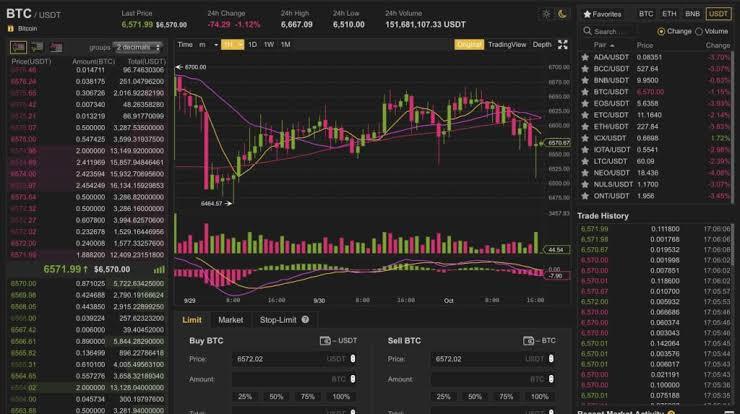
Charts serve as the foundation for technical analysis in trading. By leveraging TradingView’s advanced charting capabilities, traders can apply various analysis techniques, identify patterns, and make informed decisions:
- Experiment with different chart types, such as candlestick, bar, or line charts, to find what best suits your style.
- Use graphical tools like Fibonacci retracements and trendlines to mark significant price levels.
- Overlay indicators to gain deeper insights into market momentum and potential reversals.
Implementing Alerts and Notifications
Setting up alerts is a powerful feature of TradingView that allows traders to react promptly to market changes without constantly monitoring charts. Users can configure alerts based on specific price levels, indicators, or even custom scripts.
Backtesting Strategies with TradingView’s Strategy Tester
The Strategy Tester feature enables traders to validate their strategies using historical data. This process involves:
- Defining entry and exit points based on your strategy.
- Assessing performance metrics such as return on investment, drawdown, and win rate.
- Refining your approach based on the insights gained from backtesting.
Advanced Features of TradingView: Enhancing Your Trading Skills
As traders become more experienced, they may look for advanced features that can take their trading to the next level. TradingView has several options that cater to these needs.
Using Pine Script for Custom Indicators
Pine Script is TradingView’s proprietary scripting language that allows users to create custom indicators and strategies. With Pine Script, traders can:
- Develop unique indicators that cater specifically to their trading style.
- Backtest custom scripts within the platform’s Strategy Tester.
- Share scripts with the TradingView community to gather feedback or collaborate on improvements.
Collaborating with the Trading Community
One of TradingView’s standout features is its robust community. Users can collaborate, share ideas, and learn from other traders worldwide. Engaging with the community through:
- Commenting on public charts and posts to exchange insights.
- Joining discussions in forums to gain varied perspectives on market conditions.
- Participating in webinars and community events to enhance knowledge and skills.
Integrating News and Economic Calendars
Market news and economic events significantly impact trading decisions. TradingView offers integrated news feeds and economic calendars so users can:
- Stay informed about key economic indicators that could affect their trading positions.
- Monitor relevant news articles and updates to anticipate market movements.
- Customize alerts for significant news events to react in real-time.
Future Trends in Trading: What to Expect in 2026 and Beyond
As technology continues to evolve, the trading landscape will also undergo significant changes. Here are some trends and predictions for the future of trading:
Emerging Technologies Influencing Trading Platforms
Integrating artificial intelligence (AI) and machine learning will further enhance trading strategies. These technologies will enable more sophisticated analysis and predictive modeling, offering traders powerful insights to inform their decisions.
TradingView’s Roadmap for Innovation
TradingView is continuously innovating with plans to enhance user experience and feature sets, including:
- Improvements in mobile functionality for trading on the go.
- Expanding direct broker integrations for a smoother trading experience.
- Enhancements in data visualizations and analytics tools to provide deeper insights.
Preparing for Market Changes with TradingView
Market dynamics are always in flux. Traders who stay adaptable and informed can take advantage of changing conditions. Using TradingView’s vast resources for research and analysis is key to navigating these changes successfully.
What are the Main Features of TradingView?
The main features of TradingView revolve around its charting capabilities, social collaboration, and advanced tools for technical analysis. Understanding and utilizing these features is crucial to gaining a competitive edge in trading.
How to Create Custom Alerts in TradingView?
Creating custom alerts in TradingView is simple and can automate notifications based on specific market conditions you set, ensuring you never miss critical trading opportunities.
Can I Trade Directly from TradingView?
Yes, in some regions, users can trade directly from the TradingView platform with select brokers, making it convenient to execute trades from the same interface used for analysis.
What Types of Assets Can I Track on TradingView?
TradingView supports a diverse array of assets, including stocks, options, forex, cryptocurrencies, and more, making it a versatile tool for traders worldwide.
How Does TradingView Compare with Other Platforms?
TradingView sets itself apart from other trading platforms through its user-friendly interface, extensive feature set, and robust community support, which collectively empower traders to refine their strategies and improve their outcomes.