Understanding the Basics of Cryptocurrency
The evolution of blockchain technology has fundamentally transformed the financial landscape, introducing innovative ways to conduct transactions, manage assets, and secure data. At the core of this transformation are cryptocurrencies, which leverage decentralized networks to ensure secure, transparent, and tamper-proof transactions. The fearless advent of digital currencies is not merely a trend; it signifies a pivotal shift towards a more inclusive financial system, enabling individuals across the globe to participate in economic activities previously dominated by traditional financial institutions. When exploring options, 公司名稱查股票代碼 provides comprehensive insights into available stock codes and their respective exchanges, enhancing market accessibility.
What is Blockchain Technology?
Blockchain technology is a type of distributed ledger technology (DLT) that allows data to be stored globally on thousands of servers, making it nearly impossible to alter or hack. Each block in the blockchain contains a number of transactions, and every time a new transaction occurs, a record of that transaction is added to every participant’s ledger. This decentralized approach enhances trust, as users can verify transactions independently without relying on a central authority.
Types of Cryptocurrencies
- Payment Cryptocurrencies: Bitcoin (BTC) and Litecoin (LTC) are examples of cryptocurrencies designed primarily for transactions.
- Smart Contract Platforms: Ethereum (ETH) and Cardano (ADA) enable the deployment of smart contracts, allowing developers to create decentralized applications (dApps).
- Stablecoins: Cryptocurrencies like Tether (USDT) and USD Coin (USDC) are pegged to traditional currencies to minimize volatility.
- Privacy Coins: Monero (XMR) and Zcash (ZEC) emphasize privacy and anonymity in transactions.
- Utility Tokens and Security Tokens: Utility tokens provide access to a service, while security tokens often represent ownership in an asset.
Common Use Cases for Cryptocurrency
Cryptocurrencies are gaining traction in various sectors. They serve as a form of payment, a store of value, or even as items for investment speculation. Moreover, tokens may play a role in voting mechanisms in decentralized autonomous organizations (DAOs), thereby granting holders a say in the evolution of a project.
Navigating Cryptocurrency Trading
The cryptocurrency market is known for its volatility and can be unforgiving for unprepared investors. Understanding trading dynamics is crucial for anyone looking to participate in this rapidly evolving field. Each cryptocurrency is unique, with its own market dynamics influenced by technology, governance, and public perception.
Trading Strategies for Beginners
Beginner traders often benefit from implementing basic strategies such as dollar-cost averaging (DCA), where they invest fixed amounts of money at regular intervals, minimizing the impact of volatility. Additionally, understanding support and resistance levels can help traders make informed decisions about entry and exit points.
Technical Analysis Tools You Need
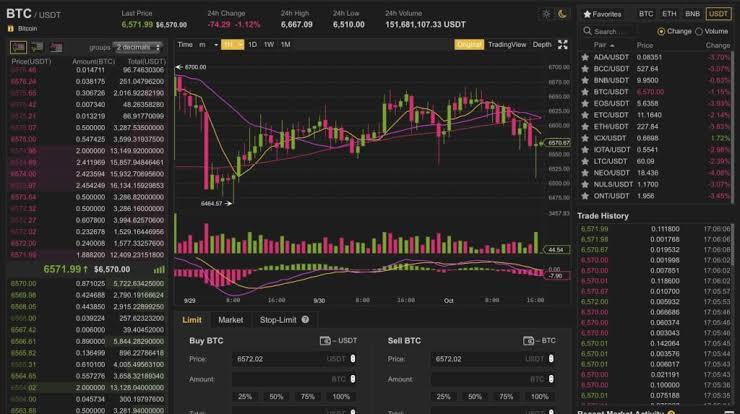
Technical analysis involves studying price charts and market trends to predict future price movements. Tools such as moving averages, relative strength index (RSI), and moving average convergence divergence (MACD) are essential for analyzing market conditions.
Risks Involved in Trading
Cryptocurrency trading carries significant risks owing to its inherent volatility. Risks include liquidity issues, regulatory changes, and the potential for market manipulation. It's essential for investors to conduct thorough due diligence and determine their risk tolerance levels beforehand.
Exploring Decentralized Finance (DeFi)
Decentralized finance represents a paradigm shift from traditional finance, utilizing blockchain protocols to recreate and enhance financial services.
What is DeFi and How Does it Work?
DeFi uses smart contracts on blockchains to offer financial services without intermediaries. This shift allows users to lend, borrow, trade, and earn interest on their assets, increasing access and efficiency.
Yield Farming: Strategies for Earning
Yield farming enables users to earn rewards by lending their cryptocurrencies to others through smart contracts. Strategies can involve providing liquidity to decentralized exchanges (DEXs) or participating in staking protocols.
How to Use DeFi Protocols Securely
While DeFi offers unprecedented opportunities, users must be vigilant. Ensuring the smart contracts are audited and understanding potential risks such as impermanent loss are crucial to safeguard investments.
Ensuring Security in Cryptocurrency Management
As digital assets gain prominence, securing them becomes paramount. Effective management entails understanding both hardware and software wallet options to protect sensitive information.
Setting Up Secure Wallets
There are various wallet types, including hot wallets (online and easier to access) and cold wallets (offline and inherently more secure). Users must choose the wallet that aligns with their needs while implementing best practices for security.
Private Key Management Best Practices
Never share private keys or seed phrases with anyone, as they grant full access to your cryptocurrency holdings. Consider using hardware wallets for long-term storage.
Recognizing Common Cryptocurrency Scams
Familiarize yourself with common scams like phishing attacks, Ponzi schemes, and fake Initial Coin Offerings (ICOs). Awareness is the first step in avoiding losses.
Future Trends in Cryptocurrency and Blockchain Technology
As the cryptocurrency ecosystem continues to evolve, emerging technologies and market trends will shape the future of digital finance. Understanding these elements will be essential for investors and developers alike.
Emerging Blockchain Technologies to Watch
Technologies such as layer-2 scaling solutions like Optimistic Rollups and ZK-Rollups are enhancing blockchain efficiency, while cross-chain bridges promote interoperability between different networks.
Regulatory Compliance in 2026
The regulatory landscape surrounding cryptocurrencies will increasingly adapt to ensure consumer protection while fostering innovation. Compliance with frameworks outlined by entities like the SEC for securities and CFTC for derivatives will be crucial.
Investment Insights for Crypto Enthusiasts
Investors must stay informed regarding market dynamics and technology developments to make sound financial decisions in this ever-changing landscape. Continuous education and adaptation are key elements to success in the world of cryptocurrency investments.
DeFi & Advanced Topics
Exploring advanced topics allows traders and enthusiasts to leverage the full capabilities of decentralized finance and smart contracts.
Decentralized Exchanges (DEXs) and Their Mechanisms
DEXs operate without intermediaries, allowing users to trade assets directly from their wallets. Understanding automated market makers (AMMs) and the liquidity pools they use can lead to more profitable trading strategies.
Yield Farming and Impermanent Loss Calculations
Calculating impermanent loss is essential for yield farmers. Impermanent loss occurs when the price of tokens staked in a liquidity pool changes relative to holding the tokens separately. Learning to manage this risk can enhance profitability.
Smart Contracts and dApp Development
Developers must know the importance of smart contract security audits. Proficient audit practices protect users' investments and bolster confidence in the DeFi space.
Regulatory & Legal Compliance
The regulatory framework for cryptocurrencies is continuously evolving to catch up with technological advancements and market dynamics. Compliance is not only a legal requirement but vital for the longevity of projects in this sector.
SEC Regulations and Securities Classification
Understanding whether a token is classified as a security significantly impacts legal obligations, especially regarding fundraising and investor protections. Compliance with SEC regulations is critical for operating legitimately.
AML/KYC Requirements for Exchanges
Anti-Money Laundering (AML) and Know Your Customer (KYC) requirements enhance transparency and reduce illicit activities in the cryptocurrency space. Exchanges must implement stringent protocols to adhere to these regulations.
Tax Implications and Reporting Requirements
Cryptocurrency transactions can have various tax implications depending on jurisdiction. Investors need to be aware of reporting requirements to avoid penalties.
Security Threats & Risk Management
Security in the digital asset space is paramount. Assessing vulnerabilities and adopting proactive measures can mitigate risks associated with cryptocurrency investments.
Common Security Threats
Recognizing threats such as malware, phishing scams, and 51% attacks is vital. Staying informed about potential vulnerabilities can prepare users to protect their assets effectively.
Risk Mitigation Strategies
Implementing robust risk management strategies like due diligence and gradual investing can shield investors from potential losses. Conducting thorough research before investing is crucial.
Content Quality & Depth
Providing high-quality, actionable insights is essential for fostering a knowledgeable community. A well-informed investor is better equipped to navigate the complexities of cryptocurrency.
Fostering security awareness and a solid understanding of market fundamentals can empower users, leading to more conscientious trading behavior. The cryptocurrency world is rich with opportunity, but it requires diligent effort and a commitment to continuous learning.