Understanding the Mini Split 12000 BTU System
The mini split 12000 btu air conditioning system, often referred to as a ductless system, has become a popular choice for both homeowners and business owners looking for an effective cooling and heating solution. These systems are particularly known for their efficiency and flexibility, making them ideal for a variety of spaces and climates. In this article, we will explore the fundamental aspects of the mini split 12000 BTU system and how it can greatly enhance your indoor comfort.
What Is a Mini Split 12000 BTU Air Conditioner?
A mini split 12000 BTU air conditioner is a type of HVAC system that provides both heating and cooling capabilities without the need for ductwork. It consists of two primary components: an outdoor unit that houses the compressor and a fan, and one or more indoor units that distribute conditioned air throughout the space. The 12000 BTU rating indicates that the system is capable of cooling or heating an area of approximately 450 to 750 square feet, depending on factors such as insulation and ceiling height.
Key Features of Mini Split Systems
Mini split systems come equipped with several key features that set them apart from traditional HVAC units:
- Inverter Technology: This technology allows the compressor to adjust its speed automatically to maintain the desired temperature, resulting in greater energy efficiency and quieter operation.
- Ductless Design: The absence of ductwork not only simplifies installation but also eliminates energy losses associated with ducts, which can be significant in traditional systems.
- Zoning Capabilities: Multiple indoor units can be connected to a single outdoor unit, allowing for temperature control in different rooms or areas, catering to individual comfort preferences.
- Easy Installation: Mini splits require minimal modifications to your home, making them an ideal solution for retrofitting in existing structures.
How Mini Split Systems Function Efficiently
The efficiency of a mini split 12000 BTU system is largely attributed to its heat pump technology, which can reverse the refrigeration cycle. In cooling mode, the unit extracts heat from the indoor air and transfers it outside, while in heating mode, it absorbs heat from the outside air—even in colder temperatures—and transfers it indoors. This energy-efficient process significantly reduces energy consumption compared to traditional heating and cooling methods.
Advantages of the Mini Split 12000 BTU
Energy Efficiency and Cost Savings
One of the primary benefits of the mini split 12000 BTU system is its exceptional energy efficiency. Most mini split systems offer SEER ratings of 15 or higher, which translates to reduced energy bills. Given that air conditioning can account for a large portion of energy bills, switching to a mini split can lead to significant cost savings over time.
Quiet Operation: A Peaceful Home Environment
Unlike traditional HVAC systems that can be noisy, mini split systems operate quietly. Most indoor units produce sound levels comparable to a whisper, making them ideal for bedrooms, home offices, or other quiet spaces where noise can be disruptive.
Flexible Installation Options
Because mini splits are ductless, they can be installed in areas where traditional systems cannot. From attics to sunrooms to garages, a mini split can easily adapt to various spaces. Furthermore, the installation does not require extensive renovations, making it a less invasive option for homeowners.
Comparing Mini Split 12000 BTU to Traditional HVAC Systems
Initial Costs vs. Long-Term Savings
While the upfront costs for a mini split 12000 BTU system may be higher than traditional window units, the long-term savings on energy bills and maintenance costs make them a more cost-effective solution over time. Additionally, many mini split systems come with warranties that can further protect your investment.
Space Requirements and Aesthetic Integration
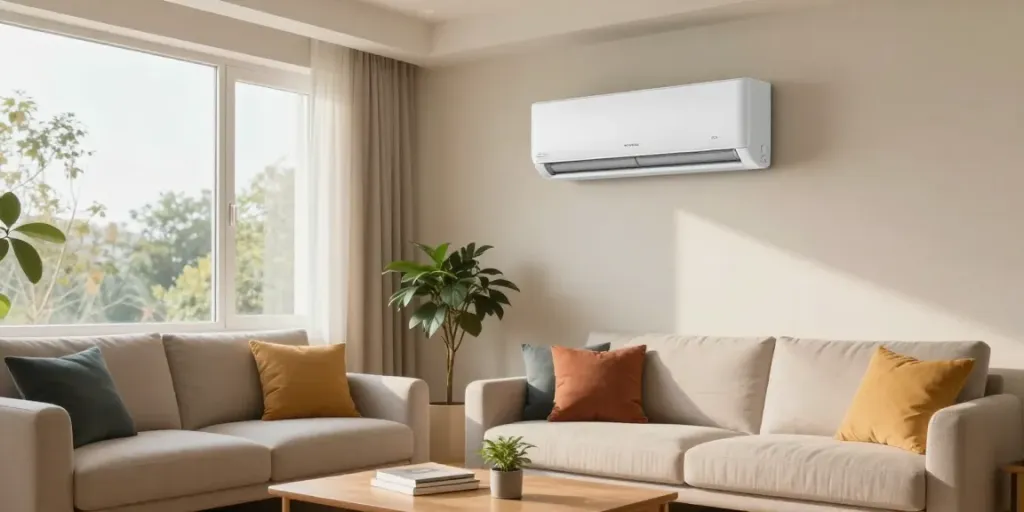
Mini splits require far less space than central air conditioning systems since they do not need ductwork. This feature not only makes them ideal for small spaces but also allows for more aesthetic flexibility, as indoor units can be wall-mounted, ceiling-mounted, or even recessed into ceilings, blending seamlessly into the home décor.
Temperature Control and Zoning Capabilities
Mini split systems provide individualized temperature control, allowing you to set different temperatures in different rooms. This capability enhances comfort for everyone in the home and can lead to further energy savings as you only cool or heat spaces that are in use.
Installation Process for Mini Split 12000 BTU Systems
Professional vs. DIY Installation: Pros and Cons
Choosing between professional installation and a DIY approach can depend on your comfort level with electrical systems and plumbing. Professional installation ensures that the system is correctly set up and complies with local codes, while DIY can save money but comes with risks if not done properly. Consulting with a professional can provide insight into the best route for your specific situation.
Steps for Proper Installation
- Select the Location: Choose the best location for the indoor and outdoor units considering proper airflow and access for maintenance.
- Mount the Indoor Unit: Securely install the indoor unit using the provided mounting bracket.
- Connect the Lines: Run the refrigerant lines and electrical wiring from the outdoor unit to the indoor unit.
- Install the Outdoor Unit: Place the outdoor unit on a sturdy surface and ensure proper drainage.
- Test the System: After installation, check for leaks and run the system to ensure it operates correctly.
Common Mistakes to Avoid During Installation
To avoid complications, ensure the following:
- Inadequate clearance around the indoor and outdoor units can hinder performance.
- Not following the manufacturer’s guidelines during installation can void warranties.
- Neglecting to check for refrigerant leaks can lead to system failure.
- Improperly sized units may result in inefficiency or insufficient cooling/heating.
Future Trends in Mini Split Technology
Smart Home Integration and Automation
As technology evolves, so too do mini split systems. Many new models offer smart home integration capabilities, allowing users to control their systems remotely through apps and voice assistants. This feature enhances convenience and energy management by enabling users to monitor and adjust settings in real-time.
Advancements in Energy Efficiency Standards
With increasing awareness of climate change and energy consumption, manufacturers are focusing on improving energy efficiency in mini split systems. Future models may achieve higher SEER ratings and utilize eco-friendly refrigerants for minimal environmental impact.
What to Expect in Mini Split Innovations by 2026
By 2026, we may see significant advancements in mini split technology, including more compact designs, improved inverter systems for even greater energy savings, and enhanced smart technology features, making them more user-friendly and accessible.
How Many Square Feet Will a 12000 BTU Mini Split Run?
A 12000 BTU mini split system is generally suitable for cooling or heating areas between 450 to 750 square feet. However, actual performance can be influenced by room insulation, sunlight exposure, and ceiling height. It’s crucial to consider these factors when determining the right size for your space.
What Are the Disadvantages of a 12000 BTU Mini Split?
Despite their advantages, a few potential disadvantages should be noted:
- Higher Initial Cost: The upfront investment in a mini split system can be higher than traditional systems.
- Installation Complexity: Although installation is simpler compared to ducted systems, it still requires technical knowledge and expertise.
- Indoor Unit Placement: Indoor units may not suit all aesthetic preferences and could require careful placement.
How Much Does a Fully Installed 12,000 BTU Mini Split Cost?
The cost of a fully installed 12,000 BTU mini split can vary widely, typically ranging from $3,500 to $5,000. This price includes the unit itself, installation costs, and any necessary materials. Factors influencing the total cost include the complexity of the installation, local labor rates, and additional features such as smart technology.