Introduction to Astaxanthin
Astaxanthin is a powerful carotenoid known for its remarkable antioxidant properties. Found in various organisms, this vibrant pigment not only contributes to the reddish hue of certain seafood but also boasts a range of health benefits that have sparked interest in dietary supplementation. As more people seek holistic approaches to wellness, it’s essential to understand how much astaxanthin should I take for optimal benefits.
What is Astaxanthin?
Astaxanthin is a keto-carotenoid derived from microalgae, particularly Haematococcus pluvialis. It plays a crucial role in photosynthesis and absorbs blue and green light, allowing photosynthetic organisms to thrive. In addition to algae, astaxanthin is also present in salmon, shrimp, and other red or pink seafood, where it functions as a protective pigment against oxidative stress and harsh environmental conditions.
Sources of Astaxanthin
The primary dietary sources of astaxanthin include:
- Microalgae: Especially Haematococcus pluvialis, which contains the highest concentration.
- Seafood: Salmon, trout, krill, and shrimp are notable sources due to their diet, which includes astaxanthin-rich algae.
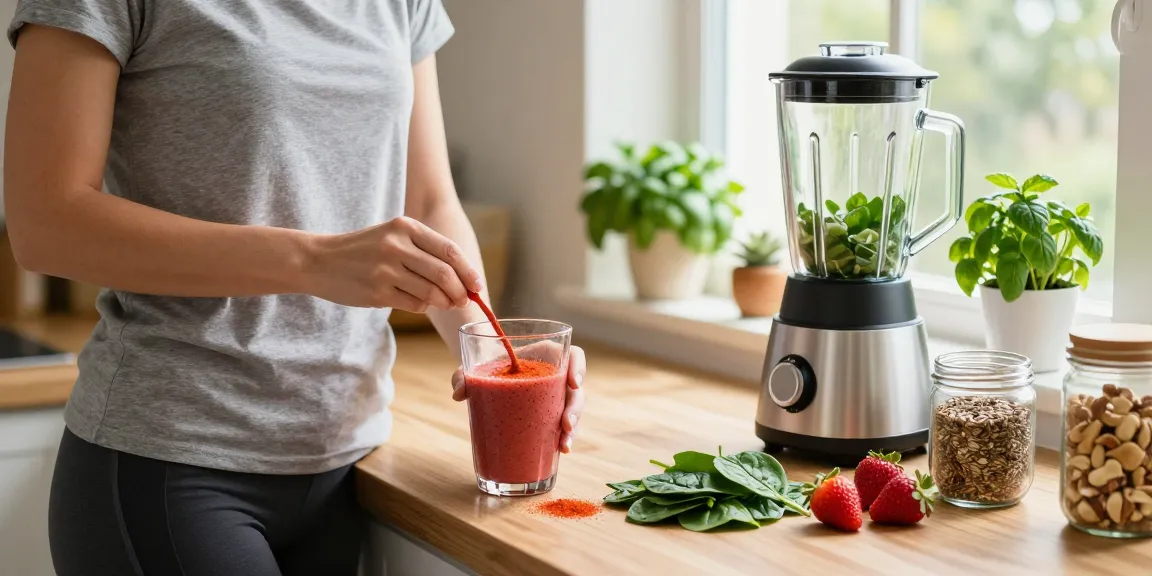
- Supplements: Available as capsules, soft gels, and powders, supplements are a convenient way to introduce astaxanthin into your diet, especially for those who don’t consume seafood regularly.
The Role of Astaxanthin in Health
Astaxanthin’s health benefits are attributed to its potent antioxidant capabilities. It is reputed to be up to 6000 times more effective than Vitamin C in combating oxidative stress, making it a popular choice for those looking to enhance their health. Prominent health benefits include supporting skin health, reducing inflammation, and improving stamina during physical activities.
Recommended Dosage of Astaxanthin
How Much Astaxanthin Should I Take Daily?
The optimal daily dosage of astaxanthin can vary based on individual health goals, dietary habits, and overall wellness. Most studies suggest a daily dosage of around 4 to 12 mg. However, the appropriate dosage may depend on factors such as:
- Health Goals: Whether you are using astaxanthin for antioxidant support, skin health, or exercise enhancement can affect your dosage.
- Age and Health Condition: Older adults or those with specific health conditions may benefit from different dosage ranges.
- Dietary Sources: Individuals who consume astaxanthin-rich foods might require less supplementation.
Dosage Variations by Age and Health Condition
Dosage recommendations often vary depending on life stage and health conditions:
- Adults: 6-12 mg per day is commonly recommended for general health.
- Older Adults: May benefit from higher doses, particularly for cognitive and joint health, ranging from 8-12 mg.
- Athletes: To aid in recovery and performance, a higher intake of 12 mg may be beneficial.
- Children: Generally, astaxanthin supplementation is advised against for those under 18 unless advised by a healthcare provider.
Consulting with a Healthcare Professional
Before starting any new supplement regimen, it is crucial to consult with a healthcare professional. They can provide tailored advice based on personal health history and any medications being taken, ensuring that astaxanthin supplementation is both safe and beneficial.
Benefits of Astaxanthin
Antioxidant Properties
Astaxanthin is primarily lauded for its unparalleled antioxidant capacity. Antioxidants are essential in fighting free radicals in the body, which can contribute to various diseases and accelerate aging. Research suggests that astaxanthin helps mitigate oxidative stress, which in turn may help with:
- Cell Protection: Shielding cells from oxidative damage, promoting cell longevity.
- Enhanced Immunity: Contributing to a robust immune response, reducing susceptibility to illnesses.
- Heart Health: Supporting cardiovascular functions by maintaining healthy blood lipid levels.
Supports Eye and Skin Health
Astaxanthin has shown promising benefits for both skin and eye health. Studies indicate that astaxanthin may:
- Protect the skin: Reducing damage from UV radiation, thereby preventing signs of aging.
- Promote skin elasticity: Enhancing skin hydration and reducing the appearance of fine lines.
- Support vision: Protecting retinal cells and reducing the risks of macular degeneration and eye fatigue.
Reduces Inflammation
Chronic inflammation is a silent adversary in many health conditions. Astaxanthin’s anti-inflammatory properties can help in:
- Joint Health: Alleviating symptoms of conditions like arthritis, improving mobility and comfort.
- Athletic Recovery: Reducing muscle soreness and recovery time post-exercise.
- General Inflammation: Contributing to the prevention of various inflammatory diseases.
Potential Side Effects of Astaxanthin
Common Side Effects and Reactions
While astaxanthin is generally considered safe for most individuals, some may experience mild side effects such as:
- Digestive Issues: Including stomach discomfort or diarrhea.
- Skin Reactions: Some sensitive individuals may experience discoloration or rashes.
- Allergic Reactions: Rare reports include allergic responses, particularly in those with seafood allergies.
It’s important to monitor your body’s response when starting astaxanthin supplementation.
Who Should Avoid Astaxanthin?
Certain individuals should approach astaxanthin supplementation with caution or avoid it altogether:
- Pregnant or Nursing Women: Safety during pregnancy and lactation has not been established.
- Individuals with Allergies: Particularly those with allergies to seafood should consult a doctor before use.
- People on Blood Thinners: Consult a healthcare provider, as astaxanthin may affect blood coagulation.
Interactions with Medications
Astaxanthin can interact with certain medications, especially anticoagulants and antiplatelet agents. This can increase the risk of excessive bleeding. Individuals taking these medications should discuss potential interactions with their healthcare provider before adding astaxanthin to their regimen.
Conclusion: Choosing the Right Astaxanthin Supplement
Key Factors to Consider
When selecting an astaxanthin supplement, several factors should be considered to ensure effectiveness:
- Source: Opt for products derived from high-quality microalgae which provide the purest form.
- Concentration: Check for product dosages to match your health needs, ideally ranging from 4-12 mg.
- Form: Choose between capsules, powders, or soft gels based on personal preference and ease of use.
Evaluating Product Quality
Not all supplements are created equal. Look for third-party testing to verify the quality, concentration, and purity of the astaxanthin product you choose. Ensure the manufacturer follows good manufacturing practices (GMP).
Long-term Usage and Health Monitoring
Incorporating astaxanthin into your daily routine could lead to various health benefits, but it’s essential to monitor your health response regularly. Long-term usage should be guided by ongoing consultations with healthcare professionals, adjusting dosage as required based on health changes and responses.
FAQs
What is the best time to take astaxanthin?
The best time to take astaxanthin is with food, as it is fat-soluble, helping with absorption during meals.
Can astaxanthin help with weight loss?
Astaxanthin may support metabolism and fat oxidation, potentially aiding weight loss when combined with diet and exercise.
Is astaxanthin safe for daily use?
Generally, astaxanthin is safe for daily use at recommended dosages, but consulting a healthcare provider is advised.
How long does it take to see results from astaxanthin?
Results can vary, but many users report noticeable improvements in energy and skin health within 2-12 weeks of regular use.
Can I get enough astaxanthin from food alone?
While dietary sources contribute well, supplementation may be necessary to achieve therapeutic doses for specific health goals.