Understanding Astaxanthin and Its Benefits
What is Astaxanthin?
A natural carotenoid pigment, astaxanthin is found predominantly in certain algae, as well as in seafood like salmon, shrimp, and other marine animals. This powerful antioxidant is known for its vibrant red color, which not only plays a crucial role in marine life but also contributes significantly to human health. As an antioxidant, astaxanthin is believed to combat oxidative stress and inflammation, contributing to overall wellness. The compound is increasingly popular as a dietary supplement among health-conscious individuals.
Health Benefits of Astaxanthin
Astaxanthin offers a myriad of health benefits, making it a valuable addition to one's diet. Some noteworthy benefits include:
- Enhanced skin health: Astaxanthin helps protect the skin from UV radiation, potentially reducing the appearance of aging.
- Eye health: It may improve vision and alleviate eye fatigue by protecting retina cells from oxidative damage.
- Heart health: Astaxanthin has been associated with improved blood lipid profiles and healthier cardiovascular function.
- Exercise performance: Studies suggest that astaxanthin supplementation can enhance endurance and reduce muscle soreness post-exercise.
- Supports immune function: It may bolster the immune response, promoting better overall health.
How Much Astaxanthin Should You Take? Dosage Guidelines
When it comes to determining how much astaxanthin should I take, understanding the recommended dosages is crucial for reaping benefits without adverse effects. General guidelines suggest a daily intake of 4 to 12 mg for most individuals. However, specific health goals may require adjustments to this amount.
Daily Dosage Recommendations for Astaxanthin
Astaxanthin Dosage for General Health
For overall health maintenance, studies typically recommend a dosage range of 4 to 8 mg of astaxanthin per day. This amount is considered effective for supporting skin health, providing antioxidant benefits, and enhancing general wellness. Continuous intake at this level can help in maintaining optimal health and vitality over time.
Dosage for Specific Health Concerns
In cases where individuals are targeting specific health concerns, such as joint health or workout recovery, higher dosages—often in the range of 8 to 12 mg daily—may be more beneficial. Consultations with healthcare professionals can aid in customizing the intake based on individual health status and objectives. Adjustments should be made carefully, especially for those taking medications or with underlying conditions.
Factors Influencing Daily Intake
Several factors can influence the optimal astaxanthin dosage for an individual:
- Body weight: Larger individuals may require higher dosages to achieve the same effects.
- Aging: Elderly individuals might benefit from increased amounts due to common age-related health challenges.
- Activity level: Active individuals or athletes may need more astaxanthin to support muscle recovery and performance.
- Diet: Those who consume astaxanthin-rich foods may need lower supplemental doses.
How to Incorporate Astaxanthin Into Your Diet
Food Sources of Astaxanthin
Astaxanthin is naturally present in several food sources, especially seafood. Rich dietary sources include wild-caught salmon, shrimp, krill, and certain algae. A serving of salmon, for example, provides a substantial amount of astaxanthin, making it an excellent choice for those looking to increase their intake naturally. Additionally, some health-food stores offer algae-based products that are vegetarian-friendly.
Supplement Options and Their Efficacy
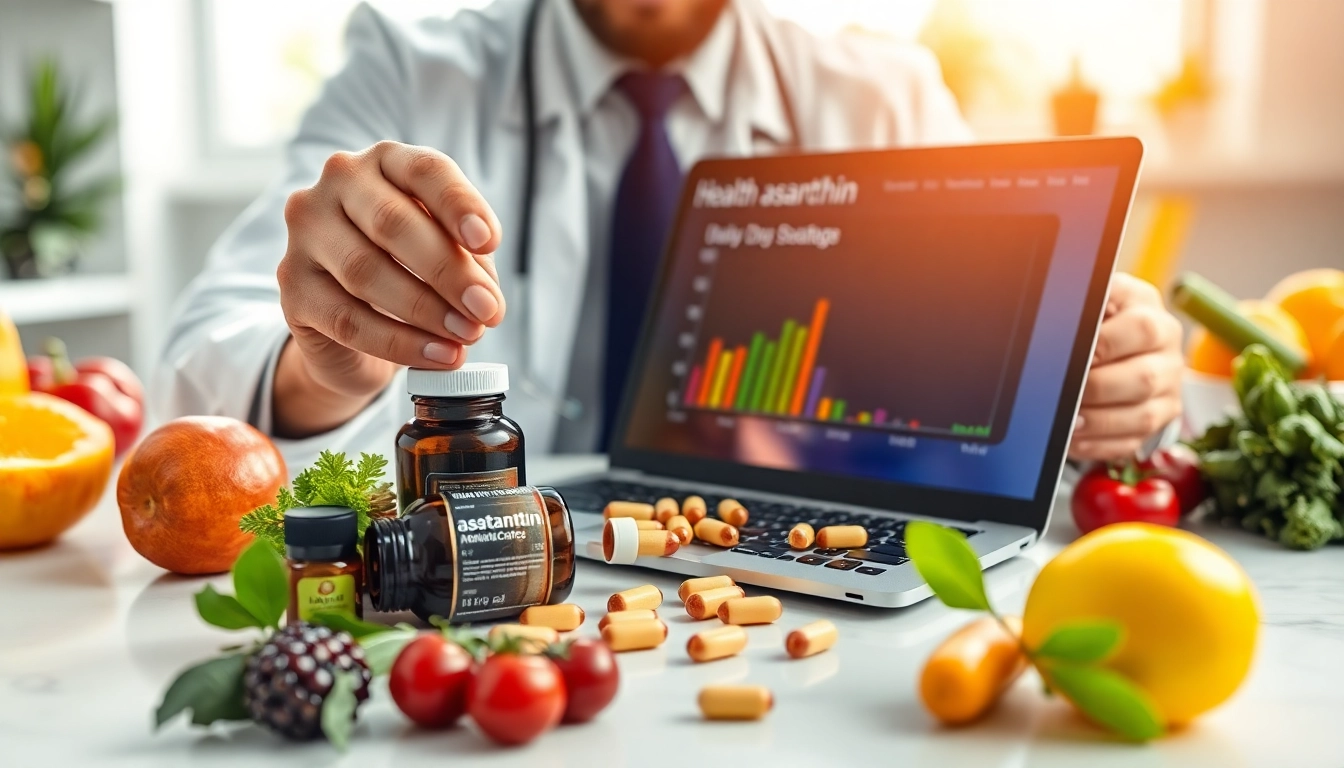
Astaxanthin supplements come in various forms, including soft gels, powders, and capsules. When selecting a supplement, it's important to look for products sourced from high-quality astaxanthin and produced by reputable manufacturers. Some formulations may offer higher bioavailability, meaning they are more easily absorbed by the body. Always check for third-party testing to ensure quality and potency.
Creative Ways to Add Astaxanthin to Meals
There are numerous creative ways to include astaxanthin in your meals, even beyond seafood. Here are a few simple ideas:
- Add astaxanthin-rich seafood to salads or grain bowls for a nutrient boost.
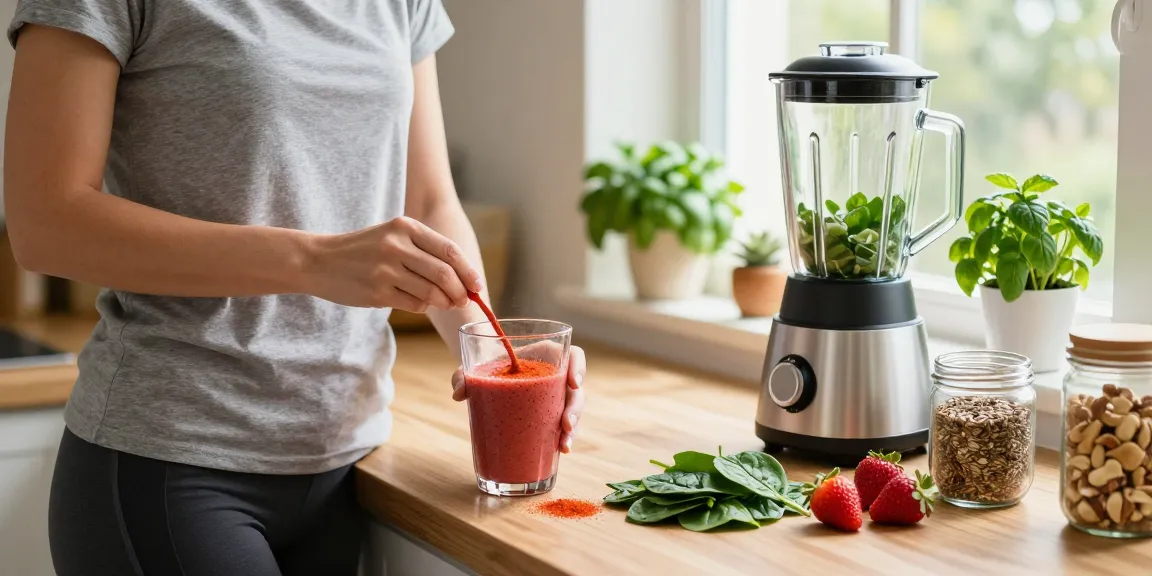
- Incorporate powdered astaxanthin into smoothies for a healthy color and nutrient infusion.
- Use astaxanthin supplements as a nutritional boost in homemade sauces or dressings.
Potential Side Effects and Precautions
Understanding Any Risks of Astaxanthin
While astaxanthin is generally considered safe for most individuals, some may experience mild side effects such as stomach upset or skin discoloration. It is essential to start with lower doses and increase gradually to assess tolerance. Monitoring any adverse reactions is advisable, and if symptoms persist, consulting a healthcare professional is recommended.
Interactions with Other Supplements
Astaxanthin can interact with certain medications and supplements, particularly blood thinners and other antioxidants. It is crucial to inform your healthcare provider of all supplements and medications being taken to prevent potential interactions and maximize safety.
Consulting with a Healthcare Professional
Before starting any new supplement regimen, including astaxanthin, it's vital to consult with a healthcare professional. They can provide tailored advice based on your individual health needs, any current medications, and potential dietary considerations.
FAQs About Astaxanthin Dosage
Frequently Asked Questions on Astaxanthin
1. Can I take astaxanthin every day?
Yes, daily intake is generally safe, with recommended dosages typically ranging from 4 to 12 mg.
2. Is there a maximum dosage for astaxanthin?
While higher doses are often safe, it's advisable not to exceed 12 mg without professional guidance.
3. Can astaxanthin improve athletic performance?
Many studies indicate that astaxanthin may enhance endurance and aid in muscle recovery post-exercise.
4. Are there any food sources high in astaxanthin?
Yes, wild-caught salmon, shrimp, and certain algae are excellent sources of natural astaxanthin.
5. Do I need a prescription to take astaxanthin supplements?
No prescription is needed; however, consulting with a healthcare professional is recommended.