Understanding TradingView: A Comprehensive Overview
In today's fast-paced financial markets, having the right tools at your disposal can make a significant difference in your trading success. One of the leading platforms that traders and investors rely on is tradingview. This powerful tool allows users to track market performance, analyze trends, and engage with a vibrant community of traders. In this comprehensive overview, we will explore what TradingView is, its core features, and how it enhances market analysis for traders everywhere.
What is TradingView and Its Core Features?
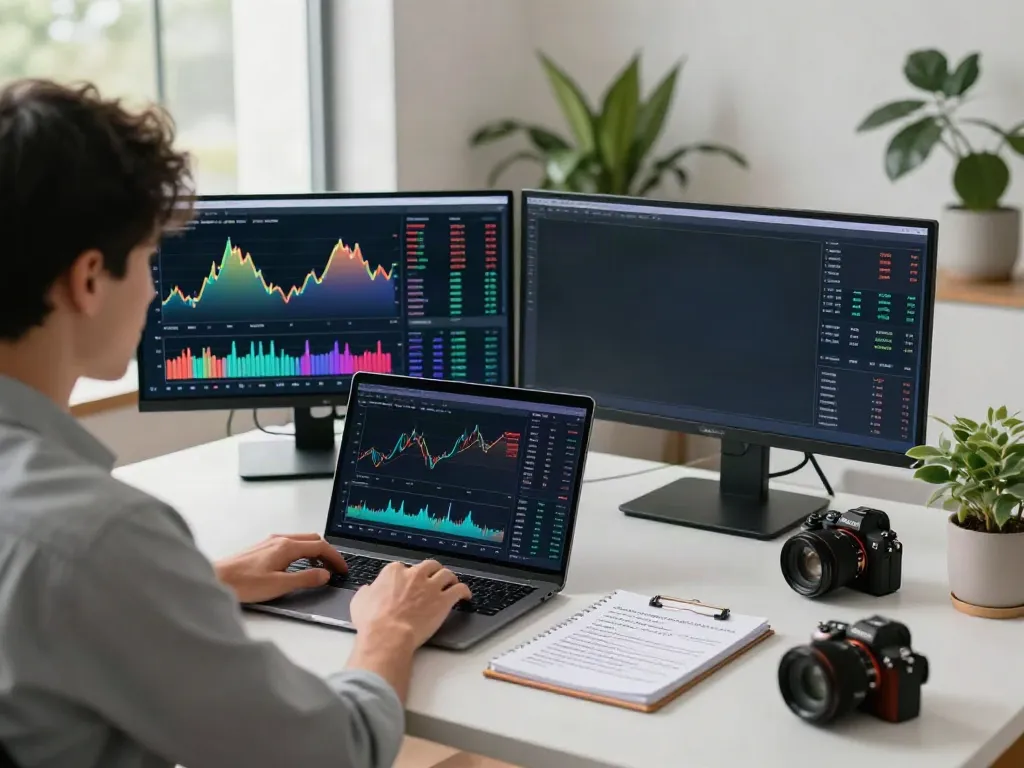
TradingView is a cloud-based financial platform that offers users advanced charting capabilities, a variety of market analysis tools, and a social network where traders can collaborate and share strategies. Its core features include:
- Interactive Charts: Users can access a wide range of chart types, including candlestick, line, and bar charts, and customize them according to their preferences.
- Technical Analysis Tools: The platform comes equipped with over 100 indicators and drawing tools, enabling traders to identify trends and patterns effectively.
- Market Coverage: TradingView covers numerous global markets, including stocks, forex, commodities, and cryptocurrencies.
- Social Networking: Traders can share ideas, strategies, and insights, making it a community-driven platform for collaboration and learning.
- Real-Time Data: The platform provides real-time price data and alerts to keep users informed about market changes.
How TradingView Enhances Market Analysis for Traders
Market analysis is crucial for successful trading, and TradingView streamlines this process. The platform allows traders to analyze price movements and market trends using advanced charting features and indicators. With tools like Fibonacci retracements, pivot points, and moving averages, users can assess potential price movements and make informed decisions.
Moreover, the ability to save and share chart layouts with the community provides insights into other traders' strategies, which can enhance one's understanding of market dynamics. The social aspect of TradingView fosters a collaborative environment where traders can seek advice and share successes, thus enriching their trading experience.
Setting Up Your TradingView Account
Step-by-Step Guide to Signing Up on TradingView
Getting started with TradingView is straightforward. Follow these simple steps:
- Visit the TradingView website.
- Click on the "Join for free" button.
- Provide your email address and create a password or sign up using a social media account.
- Verify your email address to activate your account.
- Log in and explore the various features available to you.
Exploring TradingView's Free vs. Paid Features
TradingView offers multiple subscription tiers, catering to different user needs. The free version includes essential tools and resources, such as limited access to technical indicators and the ability to create basic alerts. However, upgrading to a paid plan unlocks premium features like:
- Access to more than three indicators per chart.
- Ad-free experience.
- Enhanced customer support.
- In-depth market insights and analysis tools.
Users should assess their trading needs to determine the most suitable plan, balancing cost against the features they will actively use.
How to Customize Your User Interface for Optimal Use
To maximize your efficiency on TradingView, customization is key. Users can personalize their dashboards by rearranging widgets, saving favorite charts, and creating custom layouts. Here are some ways to customize your interface:
- Use the "Templates" feature to save your favorite chart settings.
- Set up multiple watchlists to monitor your preferred assets.
- Configure alerts for specific price points or indicator conditions.
By adjusting the user interface to suit individual trading styles, users can enhance their overall experience and performance on the platform.
Effective Trading Strategies Using TradingView
Utilizing Technical Indicators for Better Trades
TradingView's extensive library of technical indicators allows traders to develop robust strategies. Indicators like the Relative Strength Index (RSI), Moving Average Convergence Divergence (MACD), and Bollinger Bands can provide insights into market trends and potential reversal points. Traders can combine these indicators to create a comprehensive trading strategy that aligns with their risk tolerance and financial goals.
Creating Custom Alerts to Monitor Market Movements
Custom alerts are one of TradingView’s most powerful features. Traders can set alerts based on price levels, technical indicator values, or even complex conditions involving multiple indicators. This automation ensures that traders are notified immediately when a specific market condition arises, allowing them to act promptly and capitalize on opportunities.
Case Studies: Successful Trades Made with TradingView
Examining case studies of successful trades made with TradingView can provide valuable lessons for new and experienced traders alike. For instance, a trader might utilize the Fibonacci retracement tool to identify potential support and resistance levels and set up trades based on these levels. By reviewing such examples, users can gather insights and inspiration for their own trading strategies.
Common Challenges and Solutions on TradingView
Addressing Common User Misconceptions
Many users may have misconceptions regarding the capabilities of TradingView. Some believe that the platform is only suitable for advanced traders, while it is actually designed to cater to all experience levels. Additionally, new traders might feel overwhelmed by the vast array of tools and features, which can lead to analysis paralysis. Understanding that the platform is user-friendly and offers tutorials can help alleviate these concerns.
Troubleshooting Technical Issues with the Platform
Technical issues can arise on any trading platform, and TradingView is no exception. Common problems include slow loading times, issues with live data, or difficulty saving chart layouts. Users experiencing technical difficulties should first check their internet connection and refresh their browser. If problems persist, consulting the TradingView support center or user forums can provide quick solutions.
Best Practices for a Successful Trading Experience
To thrive on TradingView, users should adopt best practices, including:
- Regularly reviewing and adjusting trading strategies based on market analysis.
- Engaging with the community to exchange insights and learn from others.
- Continually enhancing charting skills and understanding of technical indicators.
By following these practices, traders can build a successful trading routine that leverages TradingView’s robust capabilities.
The Future of Trading with TradingView: Trends for 2026 and Beyond
Predictions for Trading Tools and Technologies
As we look toward 2026, the trading landscape is expected to evolve rapidly with advancements in technology. Artificial intelligence and machine learning are likely to become integral components of trading platforms, providing traders with predictive analytics and automated trading solutions. TradingView will likely integrate these tools to enhance user experience and decision-making capabilities.
Emerging Markets and Trading Opportunities in 2026
The coming years will see significant shifts in global markets, with emerging economies offering new trading opportunities. Sectors such as renewable energy, biotechnology, and technology will likely attract attention from traders. TradingView users can capitalize on these trends by utilizing market analysis features to identify and track emerging opportunities.
How TradingView Will Adapt to Market Changes
For TradingView to remain at the forefront of the trading platform revolution, it must continue to innovate and adapt to the needs of its users. This includes expanding its offerings, improving user experience, and incorporating user feedback into future developments. Keeping pace with market changes will ensure that TradingView remains a valuable resource for traders at all levels.
What additional features does TradingView offer?
In addition to its core trading functionalities, TradingView continually adds features such as enhanced backtesting capabilities, improved mobile trading interfaces, and more personalized trading alerts. These expansions aim to cater to the growing needs of traders and enhance overall platform utility.
How can I analyze cryptocurrency markets on TradingView?
TradingView provides specific tools and charting options tailored for cryptocurrency analysis, including real-time market data and comprehensive indicators. Traders can leverage these features to monitor trends, set alerts, and execute trades efficiently.
What are the best TradingView indicators for beginners?
For beginners, essential indicators include moving averages, RSI, and MACD. These tools are straightforward to understand and can help new traders identify trends and potential entry or exit points.
How frequently does TradingView update its platform?
TradingView is committed to continuous improvement, often rolling out updates and new features based on user feedback and technological advancements. Users can expect regular enhancements that introduce new functionalities and optimize existing tools.
Can TradingView be used for mobile trading?
Yes, TradingView offers a fully functional mobile application that allows traders to monitor markets, analyze data, and execute trades on the go. This feature ensures that traders can remain engaged with market movements, even when away from their desks.