Understanding Yoga Teacher Training Sri Lanka
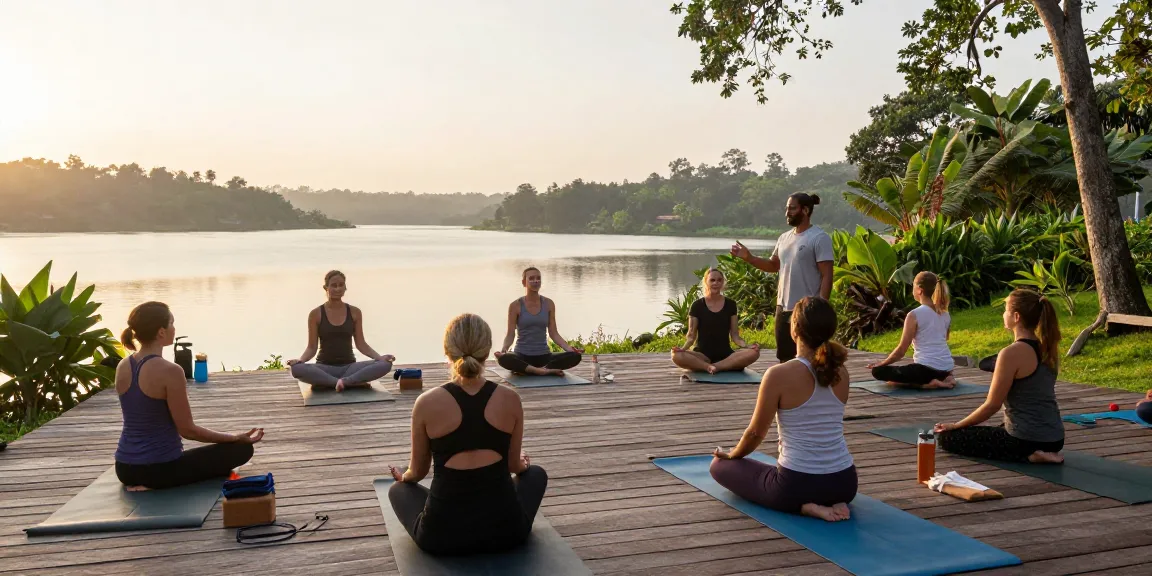
Yoga teacher training (YTT) has become a transformative experience for many individuals seeking personal growth, deepening their practice, or embarking on a new career path. Among the most tranquil and inspiring locations globally, Sri Lanka stands out as a premier destination for this journey. The combination of breathtaking nature, a supportive community, and holistic learning makes the yoga teacher training sri lanka program an enriching option.
What Is Yoga Teacher Training?
Yoga teacher training is an educational program designed to prepare individuals to teach yoga professionally. Typically lasting around 200 hours, these courses encompass various aspects of yoga, including practice, philosophy, anatomy, teaching methodology, and more. Through these comprehensive modules, participants gain the knowledge and confidence to lead classes and explore their personal yoga practice at a deeper level.
Benefits of Completing Your Training in Sri Lanka
Completing your yoga teacher training in Sri Lanka offers numerous advantages. The serene environment, rich cultural heritage, and welcoming atmosphere create a perfect setting for learning and growth. Unlike other popular locations, Sri Lanka’s yoga scene is less saturated, allowing for more personal attention from instructors and the opportunity to connect more deeply with nature and your fellow trainees.
- Natural Beauty: Sri Lanka’s stunning beaches, lush jungles, and tranquil lakes provide a peaceful backdrop for your training.
- Community Vibe: The friendly and supportive atmosphere fosters connections that can last a lifetime.
- Cultural Enrichment: The opportunity to immerse oneself in Sri Lankan culture adds depth to the experience, from exploring local cuisine to participating in traditional festivals.
Overview of the Yoga Synergy Method
The Yoga Synergy method combines modern movement science with traditional yogic practices, creating a comprehensive training approach that promotes physical health and mental well-being. Developed by physiotherapists, this method is rooted in evidence-based practices that emphasize safe and effective movement patterns. Participants will learn various yoga styles and techniques, including Vinyasa, restorative practices, and breathwork, ensuring a well-rounded educational experience.
Daily Schedule of the Training Program
The daily schedule for the Yoga Teacher Training program at Lanka Yoga is designed to balance intensive learning with mindfulness practices, ensuring that participants can absorb the teachings effectively while also enjoying their surroundings.
Typical Day at Lanka Yoga
A typical day begins at sunrise, nurturing both body and mind through meditation, pranayama, and asana practice. The schedule includes various lectures, workshops, and practice-teaching sessions to provide a holistic learning environment. Here’s a breakdown of a typical day:
- 7:00 AM: Meditation & Pranayama
- 7:30 AM: Morning Asana Practice
- 9:00 AM: Breakfast
- 10:00 AM: Lecture or Workshop
- 11:30 AM: Asana Lab
- 1:00 PM: Lunch & Free Time
- 3:00 PM: Lecture
- 4:30 PM: Practice Teaching
- 6:30 PM: Dinner & Free Time
Integrated Learning Experiences
At Lanka Yoga, the teaching methodology engages learners through a combination of theory and practice. Lectures cover essential topics, while Asana Labs allow for hands-on learning where students can explore various postures and modifications. The practice-teaching sessions instill confidence, enabling trainees to lead their peers while receiving constructive feedback.
Free Time and Exploration Opportunities
With Sundays off for rest and exploration, trainees can take advantage of the picturesque surroundings. Activities include visiting local markets, hiking through lush landscapes, or relaxing on one of Sri Lanka’s pristine beaches. This balance between intense learning and leisure allows for personal reflection and growth.
Accommodations and What’s Included
Comfortable and conducive accommodations are critical to ensuring a positive training experience. Lanka Yoga offers various room types, each designed to provide comfort and tranquility.
Types of Rooms Available
Participants can choose between shared rooms (3–4 guests), twin share, and private rooms, each with amenities like air conditioning, private bathrooms, and stunning views of Koggala Lake. The thoughtfully designed spaces encourage rest and relaxation, enhancing the overall training experience.
Meals and Nutrition During Training
The culinary offerings at Lanka Yoga consist of three chef-prepared vegan meals daily, incorporating local Sri Lankan spices and ingredients sourced from the on-site garden. Special dietary needs are accommodated, ensuring that all students enjoy nourishing, healthy meals that fuel their training.
Facilities and Amenities at the Venue
Set against the backdrop of Koggala Lake, the purpose-built yoga school features spacious shalas for practice, ample common areas for group bonding, and a friendly atmosphere that contributes to a sense of community. The campus encourages healthy living, providing a space for contemplation and social interaction.
Preparing for Your Journey
As you prepare for your yoga teacher training, it’s essential to understand the logistics of traveling to Sri Lanka and the requirements for entering the country.
Visa Requirements and Travel Logistics
Many countries enjoy visa-free entry into Sri Lanka, allowing for a hassle-free travel experience. However, travelers must apply for an Electronic Travel Authorization (ETA) before departure. This process is straightforward and can typically be completed online within a few days.
Safety Considerations for Solo Travelers
Sri Lanka is renowned for being one of the safest countries in Asia for travelers, making it an excellent choice for solo students. The south coast, in particular, is welcoming, easy to navigate, and filled with a supportive community, ensuring that individuals can explore and engage with comfort and confidence.
Arriving at Lanka Yoga from the Airport
Students generally fly into Bandaranaike International Airport in Colombo. The journey from the airport to the yoga school takes approximately 2.5 hours by car. Lanka Yoga can arrange airport transfers, and students may share rides to reduce costs.
What You’ll Leave With
Completing the yoga teacher training program comes with several tangible and intangible rewards that will significantly impact your future.
Yoga Alliance Certification Details
Upon successful completion of the program, participants receive a Yoga Alliance 200-hour Registered Yoga Teacher (RYT) certification. This credential is recognized globally, empowering graduates to teach in studios, gyms, and wellness centers worldwide.
Support and Community After Graduation
Graduates become part of a vibrant community that continues to provide support and networking opportunities. Lanka Yoga maintains active communication through a private WhatsApp group and Facebook community, ensuring ongoing mentorship and job leads.
Transformational Outcomes for Your Practice
Beyond certification, students experience profound personal transformations. The knowledge gained in anatomy, philosophy, and teaching methods enriches their practice, enhancing both individual and professional growth. Many students enroll to deepen their practice rather than teach, but the skills acquired will benefit anyone’s yoga journey.
What style of yoga will I learn?
The program primarily focuses on the Yoga Synergy method, blending Vinyasa with restorative practices and comprehensive teaching techniques. Participants will experience various styles, allowing them to explore their preferences and discover their unique teaching voice.
Is Sri Lanka safe for solo travellers?
Absolutely. Sri Lanka is often considered one of the safest countries for solo travelers in Asia. The south coast is known for its welcoming communities, and the overwhelming majority of students attending YTTs are women traveling alone. A supportive network exists for students to connect and explore together.
Do I need a visa for Sri Lanka?
Yes, while many countries benefit from visa-free entry, it’s essential to apply for a free Electronic Travel Authorization (ETA) before arriving in Sri Lanka. This process is straightforward and typically processed swiftly.