Overview of the Everest Base Camp Trek
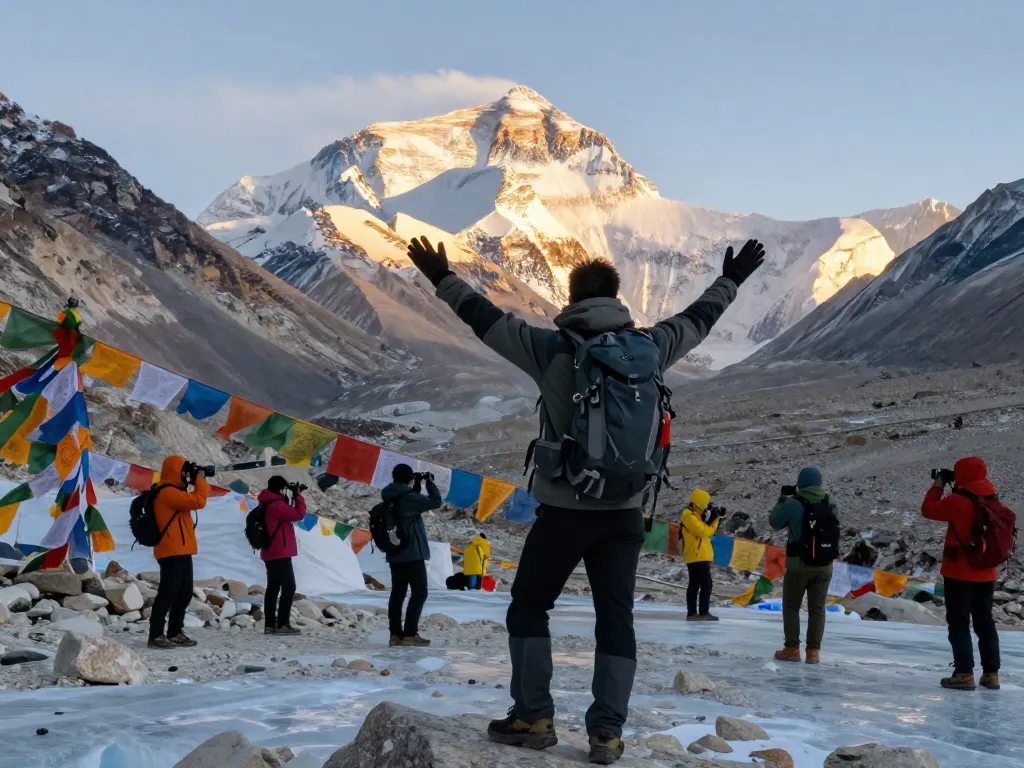
The Everest Base Camp Trek (EBC Trek) is a legendary journey that has captured the hearts and dreams of adventurers worldwide. Spanning approximately 14 days, this trek takes you into the heart of the Himalayas, offering an unparalleled experience amidst breathtaking landscapes and cultural richness. From the moment you embark on this journey, you’ll be surrounded by towering peaks, unique Sherpa villages, and stunning natural beauty. Notably, the trek culminates at Everest Base Camp, where trekkers stand at the foot of the world's highest mountain, making it a memorable milestone in any traveler’s life. Everest Base Camp Trek is widely recognized as a must-do for trekking enthusiasts.
What is the Everest Base Camp Trek?
The Everest Base Camp Trek is a scenic hiking trail that leads to the base of Mount Everest, situated at an altitude of 5,364 meters (17,598 feet). This trek provides an opportunity for both seasoned hikers and novices to experience the raw beauty of the Himalayas, with the added thrill of reaching one of the most iconic trekking destinations in the world. The trail leads through picturesque Sherpa villages, lush forests, and rugged terrain, offering insights into the rich culture and traditions of the local communities.
Significance of Everest Base Camp in Trekking History
The history of trekking to Everest Base Camp dates back to the early 20th century when explorers sought to reach the world’s highest peak. The journey to Everest Base Camp became popularized in the 1950s following successful summit attempts by legendary climbers like Sir Edmund Hillary and Tenzing Norgay. Today, the EBC Trek is celebrated not only for its challenging terrain but also for its cultural significance, connecting trekkers with the legacy of mountaineering and the Sherpa community. This trek symbolizes resilience and adventure, making it a rite of passage for countless trekking enthusiasts.
Physical and Mental Preparation for the Trek
Preparing for the Everest Base Camp Trek requires both physical and mental fortitude. Trekkers should engage in training that emphasizes cardiovascular fitness, strength, and endurance, ideally for at least two months prior to the trek. Activities such as hiking, jogging, and strength training are beneficial. Additionally, mental preparation is key—trekkers should focus on setting realistic expectations, understanding altitude sickness, and being ready to embrace the challenges that come with high-altitude trekking.
Detailed Itinerary for the 14-Day Trek
This section provides a comprehensive day-by-day breakdown of the Everest Base Camp Trek itinerary, highlighting important acclimatization days and the key features along the route, ensuring that trekkers are informed and prepared for the journey ahead.
Day-by-Day Breakdown of the Trek
- Day 1: Arrival in Kathmandu (1,400 m/4,593 ft) and transfer to hotel.
- Day 2: Fly to Lukla (2,840 m/9,318 ft) and trek to Phakding (2,610 m/8,563 ft).
- Day 3: Trek to Namche Bazaar (3,440 m/11,286 ft).
- Day 4: Acclimatization day at Namche, hike to Hotel Everest View (3,880 m/12,730 ft).
- Day 5: Trek to Tengboche (3,860 m/12,664 ft).
- Day 6: Trek to Dingboche (4,410 m/14,469 ft).
- Day 7: Acclimatization day, hike to Nangkartsang Peak (5,083 m/16,676 ft).
- Day 8: Trek to Lobuche (4,910 m/16,109 ft).
- Day 9: Trek to Everest Base Camp (5,364 m/17,598 ft) and back to Gorak Shep (5,190 m/17,028 ft).
- Day 10: Hike to Kala Patthar (5,555 m/18,225 ft) and descend to Pheriche (4,240 m/13,911 ft).
- Day 11: Trek to Namche Bazaar.
- Day 12: Trek to Lukla.
- Day 13: Fly back to Kathmandu.
- Day 14: Departure from Kathmandu.
Acclimatization Days: Importance and Activities
Acclimatization is a critical aspect of the Everest Base Camp Trek, reducing the risk of altitude sickness and ensuring a safer journey. The itinerary includes dedicated acclimatization days, primarily in Namche Bazaar and Dingboche. During these days, trekkers engage in short hikes, such as to the Hotel Everest View or Nangkartsang Peak, allowing their bodies to adjust to the elevation. This gradual approach helps maintain overall well-being as they continue upward toward Everest Base Camp.
Highlights Along the Trekking Route
The EBC Trek boasts numerous highlights, including stunning mountain vistas, diverse landscapes, and vibrant Sherpa culture. Key points of interest include the Tengboche Monastery, beautiful rhododendron forests, and the striking views of peaks like Ama Dablam and Lhotse. Each leg of the journey offers unique experiences, from the vibrant markets of Namche Bazaar to the serene tranquility at base camp, enhancing the overall trekking experience.
Cost Considerations and Inclusions for 2026
A comprehensive understanding of cost considerations is vital for all trekkers planning the Everest Base Camp Trek. Below, we outline the average costs, inclusions, and additional expenses to anticipate during the trek in 2026.
Average Cost of the Everest Base Camp Trek
The average cost for the Everest Base Camp Trek typically ranges from USD 1,500 to USD 2,000 per person, depending on the package, group size, and services included. This price generally covers domestic flights, accommodation, meals, and guiding services, providing good value for the experience offered.
What’s Included in Your Trek Package?
A standard EBC Trek package includes essential elements such as:
- Round-trip Kathmandu-Lukla flights.
- Accommodation in teahouses during the trek.
- Meals (breakfast, lunch, and dinner) while on the trek.
- Professional English-speaking guide and support staff.
- Required trekking permits and entry fees.
Additional Costs to Consider During the Trek
While the base cost covers many essentials, trekkers should also budget for additional expenses such as:
- Hot showers and Wi-Fi services at teahouses.
- Snacks and beverages along the trail.
- Tipping for guides and porters.
- Travel insurance for emergencies.
Packing Essentials for the Everest Base Camp Trek
One of the most crucial aspects of preparing for the EBC Trek is ensuring you pack appropriately. The following sections detail essential clothing, gear recommendations, and tips for effective packing.
Clothing and Gear Recommendations
Proper clothing is vital for comfort and safety during the trek. Recommended gear includes:
- Waterproof trekking boots with good ankle support.
- Warm layers, including thermal base layers, fleece jackets, and down jackets.
- Waterproof and windproof outer layers.
- Accessories like gloves, hats, and sunglasses for sun protection.
First Aid Kits and Health Essentials
Maintaining health during the trek is essential. It's advisable to carry a personal first aid kit that includes:
- Altitude sickness medication (Diamox).
- Pain relievers, antiseptic wipes, and band-aids.
- Personal prescription medications.
Tips for Packing Light Yet Effectively
Packing light is crucial given the trekking conditions. Here are some strategies:
- Use a lightweight duffel bag for essential gear, limiting it to 15 kg (33 lbs).
- Opt for multi-functional clothing that can be layered.
- Ensure that your daypack is well organized with easy-to-access items.
Frequently Asked Questions About the EBC Trek
Novice and experienced trekkers alike often have questions regarding the Everest Base Camp Trek. Below are some commonly asked questions and their answers.
What is the best time to trek to Everest Base Camp?
Spring (March to May) and autumn (September to November) are regarded as the best times for the trek due to favorable weather conditions. During these seasons, trekkers can expect clear skies and moderate temperatures, enhancing the trekking experience.
Do I need prior trekking experience?
No prior trekking experience is necessary; however, a reasonable level of fitness and enthusiasm is essential. Adequate physical preparation combined with the support of experienced guides will facilitate your success on this challenging journey.
How to prevent altitude sickness during the trek?
To prevent altitude sickness, it's crucial to acclimatize properly, stay hydrated, and ascend gradually. Familiarizing yourself with the symptoms of altitude sickness and carrying medication can further mitigate risks during the trek.