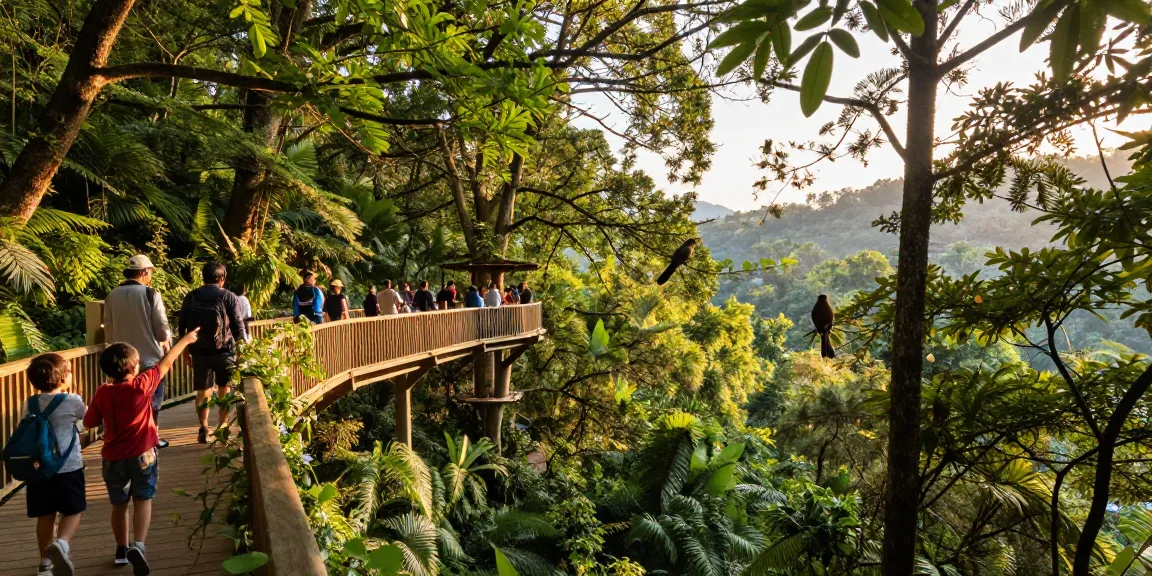
Understanding the Treetop Walkway Experience
As we increasingly seek to reconnect with nature, the allure of the Treetop Walkway has captured the imagination of adventurers and nature enthusiasts alike. These elevated pathways, often suspended several metres above the ground, provide a unique vantage point to experience the beauty of forest canopies. Here, visitors can stroll beneath the rich tapestry of leaves and wildlife, engaging with ecosystems that are typically out of reach. The experience is not only visually stunning but also offers an immersive journey that invigorates the senses.
What is a Treetop Walkway?
A treetop walkway is an engineered path that enables individuals to walk among the treetops, suspended above the forest floor. These walkways vary in length and height, often constructed using steel or wooden materials to ensure safety and durability. Designed as a means to enhance forestry appreciation and education, these walkways allow visitors to explore various aspects of arboreal ecosystems in a way that traditional trails cannot offer. Whether it's observing birds in their natural habitats or admiring the intricate structures of trees from above, a treetop walkway provides a unique perspective on forest life.
History and Development of Treetop Walkways
The concept of treetop walkways dates back several decades, originating from a desire to promote ecological awareness and appreciation for the forest environment. The first of these structures emerged in Europe, with iconic examples in Germany and Switzerland paving the way for similar attractions worldwide. As environmental education became a priority, more treetop walkways have been developed, reflecting advancements in construction technology and sustainable practices. Today, a treetop walkway can be found in many national parks and nature reserves, serving as a bridge between human curiosity and the natural world.
Environmental Impact and Sustainability Considerations
While treetop walkways provide remarkable opportunities for exploration, their environmental impact must be carefully considered. Many walkways are designed with sustainability in mind, employing eco-friendly materials and construction methods that minimise disruption to wildlife habitats. Furthermore, these walkways often include educational signage that promotes conservation and environmental awareness among visitors. By fostering a connection between people and nature, treetop walkways can play a crucial role in conservation efforts, encouraging stewardship and a desire to protect these natural treasures.
Key Benefits of Treetop Walkways
Health Benefits of Nature Exposure
Engaging with nature has well-documented health benefits, from reducing stress levels to enhancing mood and cognitive function. Walking among the treetops allows individuals to immerse themselves in a serene environment, surrounded by the soothing sounds of nature. Studies have shown that spending time in green spaces can lower blood pressure, improve mental clarity, and boost overall well-being. Treetop walkways, therefore, serve not only as a means of exploration but also as a pathway to better health.
Enhancing Learning and Education through Nature
Treetop walkways also play a vital role in environmental education. Many of these structures incorporate interpretive signage and guided tours, providing visitors with valuable insights into forest ecosystems. Schools and organisations often utilise these facilities for educational trips, allowing students to learn about biodiversity, ecological interactions, and the importance of conservation in an engaging and memorable way. By fostering curiosity about the natural world, treetop walkways contribute to a more environmentally conscious society.
Social and Economic Advantages for Local Communities
Beyond individual benefits, treetop walkways can significantly impact local communities. These attractions often draw tourists, boosting the local economy through increased visitation and spending in surrounding areas. Local businesses, such as restaurants, gift shops, and guided tour services, benefit from the influx of visitors seeking to experience the beauty of the forest. Moreover, treetop walkways can enhance community pride and cohesion, as residents come together to promote and preserve their natural heritage.
Planning Your Visit to a Treetop Walkway
Best Locations for Treetop Walkways in 2026
In 2026, several locations around the world are poised to offer some of the best treetop walkway experiences available. For instance, the Treetop Walkway at Kew Gardens in London stands out for its impressive design and integration into the existing botanical landscape. Other notable mentions include the Wild Walk at The Wild Center in New York, which features innovative structures and an immersive natural setting, and the Murch Canopy Walk in Ohio, where visitors can enjoy breathtaking views and access to unique flora and fauna. Each of these locations provides a distinct experience, showcasing the diversity of ecosystems accessible via treetop walkways.
What to Expect: Preparation Tips for Visitors
When planning a visit to a treetop walkway, it is essential to prepare adequately for the experience. Visitors should dress appropriately for the weather, wearing comfortable shoes suitable for walking and exploring. It's advisable to check the walkway's specific guidelines and recommendations beforehand, as some may have restrictions on age or physical ability. Additionally, arriving early can help avoid crowds, allowing for a more peaceful and enjoyable experience among the treetops.
Accessibility and Safety Measures on Treetop Walkways
Accessibility is a key consideration for many treetop walkways, with efforts made to accommodate individuals with varying mobility needs. Many walkways feature ramps and elevators, ensuring everyone can enjoy the experience. Safety precautions are also paramount; visitors can expect thorough safety briefings and clearly marked paths to navigate the heights safely. Understanding and adhering to safety guidelines is crucial for ensuring a rewarding and secure visit.
Common Mistakes to Avoid at Treetop Walkways
Ignoring Weather Conditions and Their Impact
Weather plays a significant role in the enjoyment of treetop walkways. Many visitors overlook the potential impact of rain, wind, or extreme temperatures on their experience. It’s essential to monitor weather forecasts ahead of time and dress appropriately to ensure comfort throughout the visit. Visiting in adverse conditions can diminish the enjoyment of the experience and compromise safety.
Overlooking Safety Regulations and Guidelines
Each treetop walkway will have specific safety regulations that visitors must follow. Ignoring these guidelines can lead to accidents or unsafe situations. Always pay attention to posted signs, adhere to weight limits, and remain within designated areas for a safe experience. Educating oneself about the rules beforehand can enhance overall enjoyment.
Not Engaging with Educational Opportunities
Many treetop walkways offer educational resources and guided tours that enrich the visitor experience. Neglecting to engage with these opportunities can result in missed insights and information about the unique ecosystems present. Participating in educational programmes can provide a deeper understanding of the environment and foster a greater appreciation for nature.
Future Trends of Treetop Walkways
Innovative Designs and Technologies in 2026
As technology evolves, the design and construction of treetop walkways are also advancing. In 2026, expect to see more innovative materials and construction techniques that prioritise sustainability while enhancing the visitor experience. Features such as interactive displays, integrated lighting for nighttime use, and augmented reality elements may become commonplace. These innovations will provide visitors with a richer, more engaging experience as they explore the treetops.
Integration of Digital Experiences in Nature Walks
The merging of technology with nature experiences presents exciting opportunities for treetop walkways. This could involve mobile apps providing real-time information about local flora and fauna or using QR codes on signage to deliver in-depth content. Such digital interactions can help visitors connect more profoundly with their surroundings and enhance the overall educational experience.
Community Engagement and Conservation Initiatives
In the coming years, there will likely be an even greater emphasis on community involvement and conservation surrounding treetop walkways. Engaging local communities in the planning and maintenance of these areas can foster a sense of ownership and responsibility for preserving their natural environments. Volunteer programs and conservation initiatives may become more prevalent as communities recognise the value of their local ecosystems.