Understanding Cape Cod Homes
Cape Cod homes are iconic representations of American architecture that reflect both the history and lifestyle of coastal living. Characterized by their simple yet charming designs, these homes are distinguished by steep roofs, dormer windows, and wooden clapboard siding. Their design is not only aesthetically pleasing but also practical, addressing the needs of homeowners in coastal climates effectively. Today, many homeowners are considering expansions or renovations to their cape cod homes, enhancing their functionality and comfort.
History and Evolution of Cape Cod Homes
Originally built in the 17th century for settlers in New England, Cape Cod homes were designed to withstand the harsh Atlantic climate. The design drew inspiration from English cottages, adapted with local materials such as timber and shingles. Over the centuries, these homes have evolved in style and functionality. The introduction of modern building techniques and materials has allowed for greater variations while still maintaining the essence of the classic Cape Cod aesthetic. Today, the revival of these homes often incorporates contemporary elements while preserving their historical charm.
Characteristics of Traditional Cape Cod Homes
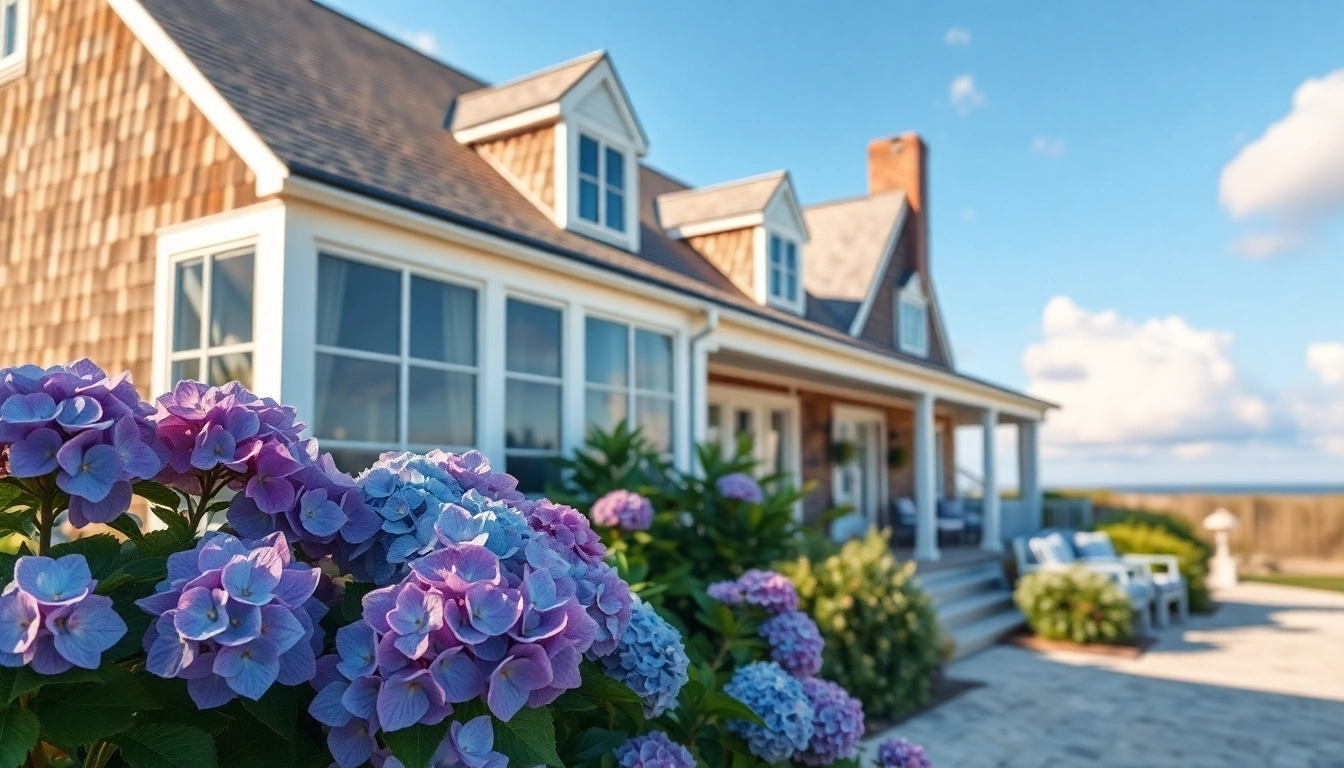
Traditional Cape Cod homes are marked by several notable features. These include:
- Steep Roofs: The steep roofs facilitate snow shedding and prevent roof collapses.
- Symmetrical Facades: A balanced appearance is achieved through symmetrical window placement.
- Dormer Windows: Dormers provide additional light and space in the upper levels.
- Wooden Siding: Clapboard or shingle siding was commonly used for durability and insulation.
- Chimneys: Centralized chimneys historically served functional and aesthetic purposes.
Modern Adaptations and Styles
While traditional Cape Cod homes adhere to specific architectural styles, modern adaptations have emerged, offering unique interpretations. These adaptations often include:
- Expanded Open Floor Plans: Modern homeowners favor spacious layouts.
- Energy-Efficient Technologies: Incorporating solar panels and high-efficiency HVAC systems reduces utility costs.
- Outdoor Living Spaces: Decks, patios, and screen porches enhance connections with nature.
- Contemporary Materials: Use of modern materials such as steel and glass complements traditional elements.
Benefits of Expanding Cape Cod Homes
Expanding Cape Cod homes can significantly improve the home’s usability and value. Here are several benefits associated with these expansions:
Creating Additional Space
As family dynamics change and lifestyles evolve, the need for more space frequently arises. Expansions can provide much-needed room for growing families, home offices, and recreational areas. Home additions can be tailored to fit specific needs, ensuring that every square foot is optimized for function and livability.
Enhancing Property Value
Investing in home expansion can enhance the overall market value of your property. Updated designs and additional square footage make the home more appealing to future buyers. In many cases, a well-planned expansion can yield substantial returns on investment, making it not just a luxury but a practical financial decision.
Improving Energy Efficiency
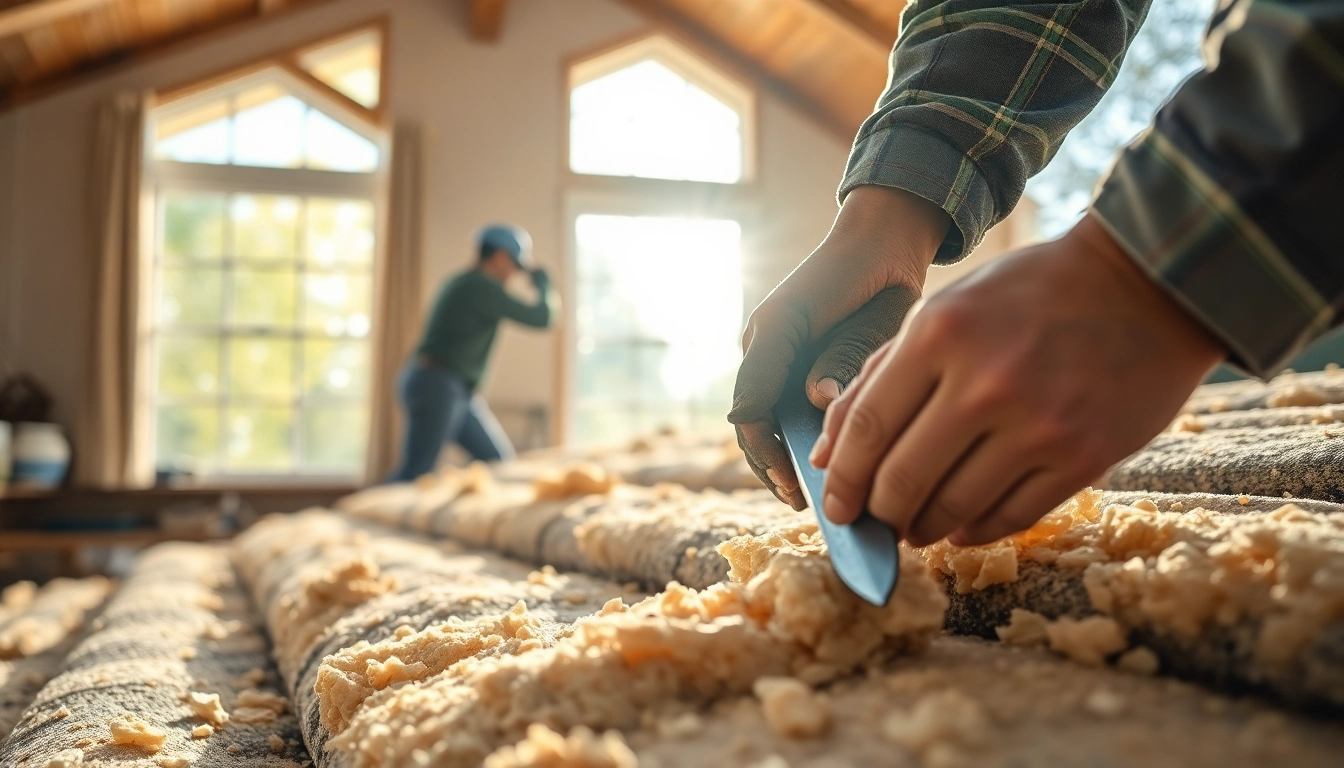
Modern expansion projects often place a strong emphasis on energy efficiency. By retrofitting homes with better insulation, energy-efficient windows, and sustainable materials during the expansion, homeowners can reduce their carbon footprint while lowering energy bills. These improvements not only benefit the environment but also increase the home’s comfort and functionality.
Best Practices for Designing Expansions
When planning an expansion for your Cape Cod home, following best practices can mitigate challenges while maximizing benefits. Here are key considerations:
Consulting with Architects
Engaging an architect specializing in residential designs is crucial to creating a harmonious expansion. An architect can provide innovative design solutions that respect the home’s original character while accommodating modern needs. They are also adept at integrating new spaces seamlessly, ensuring that the expansion looks intentional and coherent.
Permits and Regulations
Before commencing any construction, it’s essential to check local building codes and zoning regulations. Obtaining the necessary permits is vital to avoid future legal issues or costly fines. Understanding restrictions on land use, building heights, and property lines can help streamline the expansion process.
Incorporating Sustainable Materials
Utilizing sustainable materials and eco-friendly building practices should be a priority during home expansions. Materials such as reclaimed wood, high-performance insulation, and low-VOC paints not only reduce the environmental impact but also create healthier living environments. This approach reflects a commitment to sustainability and can enhance the home’s value.
Common Challenges in Cape Cod Home Expansion
While expanding a Cape Cod home can be rewarding, several challenges may arise during the process. Awareness of these challenges can help homeowners prepare effectively.
Budget Constraints
One significant challenge in home expansion projects is budget management. Homeowners should establish a realistic budget that accounts for materials, labor, and unexpected expenses. Utilizing detailed project planning can help keep costs in check and ensure that the expansion remains within financial limits.
Space Limitations in Coastal Areas
Expanding near coastal regions often involves space constraints, especially given the potential for local regulations regarding land use and environmental impact. Homeowners must carefully evaluate their lot size and surrounding environment to ensure that their design proposals fit comfortably within the space limitations.
Balancing Aesthetic with Function
Creating a cohesive design that balances functionality with aesthetic appeal can be challenging. Homeowners should work closely with architects and designers to harmonize the existing architectural style with new elements. Prioritizing both visual harmony and practical use can lead to a more satisfying result.
FAQs About Cape Cod Homes
What defines a Cape Cod home?
A Cape Cod home is characterized by its steep roof, dormer windows, symmetrical shape, and wooden siding. These features lend a cozy and traditional aesthetic while being practical for coastal climates.
How can I increase the value of my Cape Cod home?
Increasing value can be achieved through renovations and expansions that enhance functionality, as well as by focusing on modern energy efficiency upgrades and maintaining aesthetic appeal in line with Cape Cod traditional design.
What are common design styles for expansions?
Popular design styles for expansions include contemporary, open-concept layouts that blend seamlessly with traditional elements, preserving the distinct charm of Cape Cod architecture while providing modern amenities.
Are there specific permits needed for renovations?
Yes, homeowners generally need to obtain permits for home renovations or expansions. It’s essential to check local building codes and regulations to ensure compliance and avoid fines.
How can I make my home more energy efficient?
Improving energy efficiency can involve upgrading insulation, installing energy-efficient windows, utilizing sustainable materials, and implementing modern HVAC systems to minimize energy consumption and lower utility costs.